

A failing diaphragm can silently cripple your entire dust collection system. For facilities relying on ASCO pulse jet valves, the diaphragm kit is more than a spare part—it’s the crucial component that determines cleaning efficiency, compressed air costs, and system uptime. This guide provides a technical deep dive into ASCO-compatible diaphragm kits, explaining how they work, why material choice matters, and how to select the right kit for reliable, long-term performance.

What Is a Diaphragm Kit in an ASCO Pulse Valve?
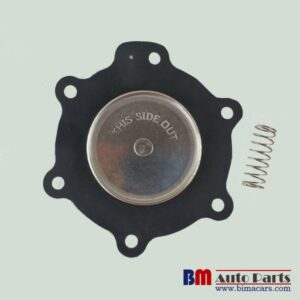
Within an ASCO pulse jet valve, the diaphragm kit is a pre-assembled set of wear parts that forms the dynamic heart of the valve. It typically includes the flexible diaphragm disc, sealing gaskets, and often a spring or retainer. This kit acts as a rapid-acting piston. When triggered, it moves instantly to release a powerful burst of compressed air into the filter bags, dislodging dust. Its condition directly dictates pulse strength, air tightness, and valve response time.
How It Works: The Pulse Cleaning Cycle
The diaphragm’s role is defined by precision and speed:
- At Rest: The diaphragm seals off high-pressure air (typically 70-100 PSI) in the upper chamber.
- Solenoid Trigger: The control system energizes the solenoid, releasing a small amount of pilot air.
- Diaphragm Actuation: Pressure differentials flip the diaphragm upward in milliseconds, unleashing the main air charge through the blowpipe.
- Reset: The diaphragm snaps back, resealing the chamber, ready for the next cycle. A worn kit leads to slow response and air leaks, weakening the critical cleaning pulse.
Key Materials & Specifications: Choosing for Your Environment
Material selection is the foremost factor in diaphragm kit longevity and performance. Common industrial-grade elastomers include:
- Nitrile (NBR): A cost-effective, all-purpose choice with excellent oil and abrasion resistance. Ideal for general manufacturing dust.
- Viton (FKM): Superior for high-temperature (up to 200°C+) and harsh chemical environments. Essential in applications involving oils, solvents, or extreme heat.
- EPDM: Outstanding resistance to ozone, weathering, and steam. Best for outdoor applications or processes involving moisture.
Critical specifications to verify include:
- Operating Pressure Range (e.g., 0.3–0.8 MPa)
- Temperature Tolerance (Material-dependent, typically -20°C to +120°C+)
- Cycle Life (Often 1+ million cycles for quality kits)
Performance Benefits of a High-Quality Diaphragm Kit
Investing in a properly engineered diaphragm kit delivers measurable operational advantages:
- Restored Peak Cleaning Efficiency: Ensures full-power pulses for consistent differential pressure control.
- Reduced Compressed Air Waste: A perfect seal prevents costly leaks, lowering energy consumption.
- Extended Valve Life: Protects other valve components from strain and damage caused by a failing diaphragm.
- Minimized Unplanned Downtime: Proactive replacement during scheduled maintenance avoids emergency stoppages.
- Adaptability: Material options allow optimization for specific industry challenges (heat, chemicals, moisture).
Common Industrial Applications
ASCO diaphragm kits are vital across dust-collection-dependent industries, including:
- Cement & Asphalt Plants
- Metalworking & Foundries
- Woodworking & Furniture Production
- Pharmaceutical & Chemical Processing
- Power Generation & Food Processing
How to Select the Correct Replacement Kit
Follow this checklist to ensure a perfect fit and optimal performance:
- Identify Your ASCO Valve Model: The exact model number (e.g., SCG353A047, G353A) is essential.
- Analyze Your Operating Environment: Consider temperature extremes, moisture, oil vapor, and dust chemical properties.
- Match the Material: Select NBR, Viton, or EPDM based on your environmental analysis.
- Choose Quality: Opt for kits manufactured to precise OEM dimensions with certified elastomers.
Maintenance & Replacement Best Practices
- Schedule Proactive Replacement: Integrate diaphragm inspection into your preventive maintenance plan.
- Diagnose Early Signs: A drop in pulse strength, audible hissing (air leak), or rising differential pressure often point to a worn diaphragm.
- Use Proper Installation Torque: Follow specifications to avoid damaging the new seal.
- Keep Critical Spares On Hand: Reduce downtime by stocking kits for your most critical valves.
Conclusion: A Small Part with a Major Impact
The diaphragm kit is a high-wear, high-impact component in your ASCO dust collection system. Understanding its function, selecting the right material for your application, and adhering to a proactive replacement schedule are among the most cost-effective ways to guarantee system reliability, energy efficiency, and continuous production.