

Introduction
ASCO pulse valves are widely used in industrial dust collection systems where reliable and fast compressed-air cleaning is required.
A pulse valve controls the release of compressed air into the blow tube of a baghouse or cartridge dust collector. When activated by a pulse controller, the valve opens rapidly and generates a short, high-energy air pulse that removes accumulated dust from the filter media.
For maintenance teams and industrial buyers, selecting the correct ASCO pulse valve involves more than choosing the correct port size. Valve model, connection type, coil voltage, diaphragm material, operating pressure, and replacement parts all need to be considered.
When an existing valve begins to leak or lose cleaning performance, replacing the diaphragm or using an ASCO-compatible pulse valve repair kit may also provide a more economical solution than replacing the complete valve.
This guide explains the basic characteristics of ASCO pulse valves, common applications, model selection considerations, maintenance requirements, and replacement parts.
What Is an ASCO Pulse Valve?
An ASCO pulse valve is a fast-acting diaphragm valve designed for compressed-air pulse cleaning applications.
The valve normally consists of:
- Valve body
- Main diaphragm
- Pilot solenoid
- Spring
- Seals and O-rings
- Electrical coil
During normal operation, compressed air enters the valve and pressure holds the main diaphragm in the closed position.
When the dust collector controller sends an electrical signal to the solenoid, the pilot valve opens and releases pressure from the control chamber.
The pressure difference causes the diaphragm to open rapidly.
Compressed air is then discharged through the valve outlet and into the blow tube, creating a cleaning pulse.
After the pulse, the diaphragm returns to its closed position.
This rapid opening and closing cycle allows the dust collector to clean filter media without stopping the filtration process.
Why Are ASCO Pulse Valves Used in Dust Collection Systems?
Pulse valves must operate reliably because a dust collector may contain dozens or even hundreds of valves.
If one valve fails, the corresponding filter section may not receive sufficient cleaning air.
If multiple valves fail, the dust collector can experience:
- Increased differential pressure
- Reduced airflow
- Higher fan energy consumption
- Reduced filtration efficiency
- Increased maintenance requirements
Reliable pulse valves therefore play an important role in maintaining overall dust collector performance.
Common ASCO Pulse Valve Applications
ASCO pulse valves are used across a wide range of industrial dust collection applications.
Cement Plants
Cement production generates large quantities of fine particulate matter.
Pulse valves are commonly used in dust collectors serving:
- Raw material handling
- Cement mills
- Crushers
- Kilns
- Clinker systems
- Cement packaging lines
Reliable pulse cleaning helps prevent excessive dust accumulation on filter media.
Steel and Metallurgy
Steel production can generate dust from furnaces, material handling, grinding, and other processes.
Pulse jet dust collectors use high-speed compressed-air pulses to clean filter bags and cartridges.
Mining
Mining and mineral processing facilities often handle abrasive materials that generate significant dust.
Pulse valves are used in dust collection systems for:
- Crushing
- Screening
- Conveying
- Grinding
- Mineral processing
Power Plants
Dust collection systems in power generation facilities may require pulse valves for applications involving coal dust, ash, and other particulate materials.
Chemical Processing
Chemical processing facilities may require specialized diaphragm materials depending on temperature and chemical exposure.
The correct valve and diaphragm material should therefore be selected according to the actual operating environment.
Common ASCO Pulse Valve Models
ASCO offers different pulse valve configurations for industrial dust collection systems.
One commonly encountered series is the ASCO 353 series.
Products in this family are designed for pulse jet dust collector applications and are available in different port sizes and configurations.
A frequently searched model is:
ASCO SCG353A047
The SCG353A047 is commonly used as an industrial pulse valve for dust collector applications.

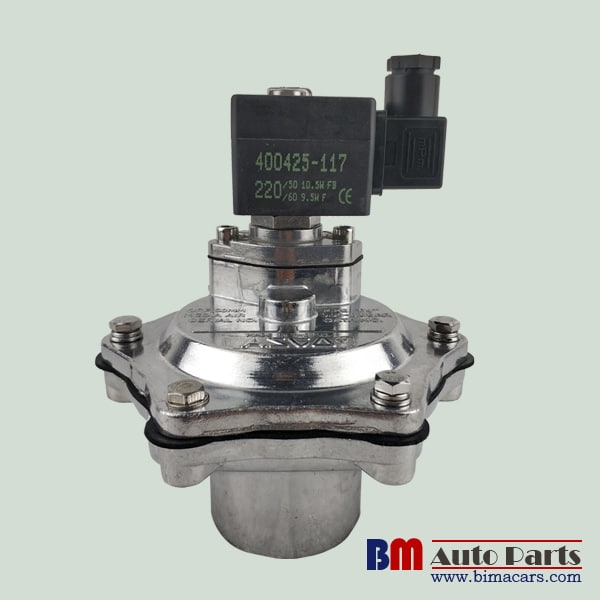
When sourcing this type of valve, buyers should verify the complete model number rather than relying only on the general product series.
The model designation may contain information related to:
- Valve configuration
- Port size
- Coil specification
- Electrical connection
- Product version
Always compare the existing valve nameplate with the replacement product before ordering.
How to Identify an ASCO Pulse Valve Model
Correct model identification is particularly important when purchasing replacement valves or repair kits.
Check the valve for:
Model Number
The model number is usually the most useful identification information.
Record the complete model rather than only the first few characters.
Port Size
Common sizes vary depending on the valve series.
Measure the connection if the original documentation is unavailable.
Coil Voltage
Typical industrial coil voltages may include:
- 24V DC
- 24V AC
- 110V AC
- 220V AC
Using the wrong coil voltage can result in malfunction or coil damage.
Valve Configuration
Determine whether the valve is:
- Right angle
- Straight through
- Other specialized configuration
Diaphragm Type
If the purpose is to purchase a repair kit, the diaphragm dimensions and construction are especially important.
ASCO Pulse Valve Diaphragm
The diaphragm is one of the most important wear components in a pulse valve.
It repeatedly opens and closes during filter cleaning cycles.
Over time, the diaphragm can become:
- Hard
- Cracked
- Deformed
- Torn
- Unable to seal correctly
A damaged diaphragm can cause continuous compressed-air leakage or weak cleaning pulses.
In many cases, replacing the diaphragm can restore valve performance without replacing the entire valve.
ASCO Pulse Valve Repair Kit
An ASCO pulse valve repair kit is designed to replace the internal wear components of a compatible valve.
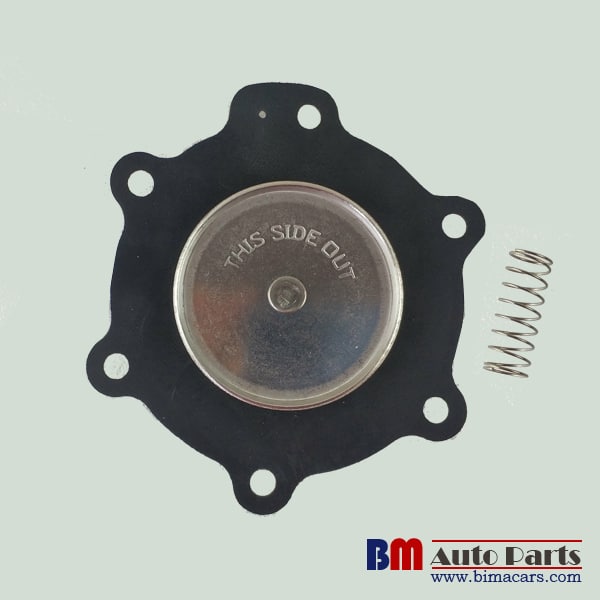
Depending on the valve model, a repair kit may contain:
- Main diaphragm
- Pilot diaphragm
- O-rings
- Springs
- Sealing components
- Other internal replacement parts
Repair kits are particularly useful for industrial facilities that need to maintain a large number of pulse valves.
Instead of replacing a complete valve every time a diaphragm wears out, maintenance teams can replace the relevant components while keeping the existing valve body in service.
When Should an ASCO Pulse Valve Diaphragm Be Replaced?
Several symptoms may indicate diaphragm deterioration.
Continuous Air Leakage
A valve that continues leaking compressed air after the cleaning pulse may have a damaged diaphragm or sealing surface.
Weak Cleaning Pulse
If the valve opens but the air pulse is weak, the diaphragm may not be opening completely.
Increased Compressed Air Consumption
Air leakage can increase compressor loading and operating costs.
Unstable Valve Operation
A worn diaphragm may cause inconsistent opening and closing.
Visible Physical Damage
During maintenance, replace the diaphragm if it shows:
- Cracks
- Tears
- Hardening
- Severe deformation
ASCO Pulse Valve Troubleshooting
When an ASCO pulse valve is not operating correctly, check the system in a logical sequence.
Check the Electrical Signal
Confirm that the pulse controller is sending the correct signal to the solenoid.
Inspect:
- Wiring
- Connections
- Coil voltage
- Controller output
Check the Compressed Air Supply
Verify that:
- Pressure is sufficient
- Air supply is clean
- Moisture is controlled
- No major leakage exists
Check the Pilot Solenoid
A faulty pilot solenoid may prevent the main diaphragm from opening.
Inspect the Diaphragm
If the electrical and air supply systems are normal, inspect the diaphragm and internal sealing components.
Check the Blow Tube
A pulse valve may operate correctly while the overall cleaning performance remains poor because of a blocked, damaged, or incorrectly positioned blow tube.
How to Choose an ASCO Replacement Pulse Valve
When purchasing a replacement, compare the new valve with the existing installation.
Important parameters include:
Valve Model
The replacement should match the required model or approved equivalent.
Port Size
The connection must match the dust collector manifold.
Coil Voltage
The electrical specification must match the pulse controller.
Operating Pressure
The valve must be suitable for the actual compressed-air pressure used by the system.
Diaphragm Material
Select the appropriate material according to:
- Temperature
- Humidity
- Chemical exposure
- Compressed-air conditions
Installation Dimensions
Even when the port size is identical, physical dimensions can differ between models.
Always verify the installation dimensions before ordering.
ASCO Pulse Valve vs Compatible Replacement Valve
Industrial buyers sometimes need to decide between an original ASCO valve and a compatible replacement.
The most important factors include:
- Technical compatibility
- Valve dimensions
- Operating pressure
- Coil specifications
- Diaphragm material
- Expected service life
- Spare parts availability
- Total cost
A compatible replacement can be suitable when it meets the technical requirements of the dust collection system.
However, the replacement should always be evaluated based on actual specifications rather than price alone.
How to Maintain ASCO Pulse Valves
Proper maintenance can extend valve service life and reduce unexpected failures.
Keep Compressed Air Clean
Water, oil, and particles can accelerate diaphragm and pilot valve wear.
A suitable air treatment system should be maintained regularly.
Monitor Operating Pressure
Avoid operating outside the valve’s recommended pressure range.
Inspect for Leakage
Continuous leakage should be investigated immediately.
Check Diaphragms Periodically
Regular diaphragm inspection allows worn components to be replaced before complete valve failure occurs.
Keep Repair Kits in Stock
Industrial facilities with large dust collection systems should maintain an inventory of commonly used repair kits and diaphragms.
This can significantly reduce maintenance downtime.
Frequently Asked Questions
What is an ASCO pulse valve used for?
An ASCO pulse valve is used to release short bursts of compressed air for cleaning filter bags and cartridges in industrial dust collection systems.
What is the ASCO SCG353A047?
The SCG353A047 is a pulse valve model used in industrial dust collection applications. The complete model specification should be verified before purchasing a replacement.
Can an ASCO pulse valve diaphragm be replaced?
Yes. When the valve body and other major components remain in good condition, replacing the diaphragm or a compatible repair kit can restore valve performance.
How do I identify the correct ASCO repair kit?
Check the complete valve model, size, diaphragm design, and other identifying specifications. Matching the repair kit to the exact valve model is essential.
Why is my ASCO pulse valve leaking?
Common causes include diaphragm damage, worn seals, contamination on the sealing surface, incorrect operating pressure, or pilot valve problems.
How long does an ASCO pulse valve last?
Service life depends on operating frequency, compressed-air quality, pressure, temperature, diaphragm material, and maintenance conditions. There is no single service life that applies to every installation.
Conclusion
ASCO pulse valves are important components in industrial pulse jet dust collection systems. Their ability to deliver rapid compressed-air pulses allows filter bags and cartridges to be cleaned efficiently while the filtration system remains in operation.
For maintenance teams and industrial buyers, correct model identification is essential when purchasing replacement valves, diaphragms, or repair kits. Port size alone is not enough; model number, coil voltage, configuration, operating pressure, diaphragm material, and installation dimensions should all be considered.
When a pulse valve begins to leak or lose performance, replacing the diaphragm or using a compatible repair kit can often restore operation without replacing the complete valve.
For industrial facilities, combining proper valve selection with preventive maintenance and readily available replacement parts can reduce downtime, control compressed-air consumption, and improve the long-term reliability of dust collection systems.