

The AUTEL M/D25 diaphragm kit is a replacement component used for compatible AUTEL pulse valves in industrial dust collection systems. The diaphragm is responsible for controlling the opening and closing of the main compressed-air passage, allowing the valve to produce a short and powerful pulse for cleaning filter bags or cartridges.
Because the diaphragm operates repeatedly during every cleaning cycle, it is one of the components most likely to require maintenance over the service life of the pulse valve. Wear, contamination, moisture, incorrect operating conditions, and frequent pulsing can gradually affect its sealing and response characteristics.
When the valve body remains in good condition, replacing the diaphragm can be a practical alternative to replacing the complete pulse valve. However, the M/D25 reference should be matched with the actual valve model and configuration before installation.
This guide explains the function of the AUTEL M/D25 diaphragm kit, how to identify a compatible valve, common failure symptoms, material considerations, replacement procedures, and maintenance practices.
What Is an AUTEL M/D25 Diaphragm Kit?
An AUTEL M/D25 diaphragm kit is a replacement kit designed for compatible AUTEL diaphragm pulse valves. The kit is primarily used to restore the sealing and operating performance of a pulse valve when the original diaphragm has become worn or damaged.

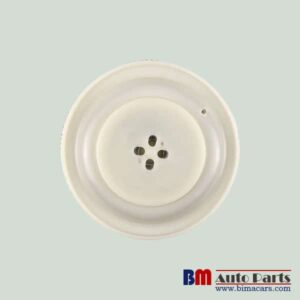
The diaphragm moves in response to pressure changes created by the pilot system. When the pulse valve is activated, the diaphragm moves away from the sealing position and allows compressed air to pass through the main valve opening. After the cleaning pulse, it returns to its closed position.
This rapid movement must be repeated consistently throughout the operating life of the dust collector. A diaphragm that has lost flexibility or sealing performance can cause the valve to leak, produce a weak pulse, or remain partially open.
The M/D25 reference should therefore be treated as a specific replacement reference rather than simply a general description for every 1-inch diaphragm.
What Is the M/D25 Diaphragm Used For?
The M/D25 diaphragm reference is associated with selected AUTEL pulse valve configurations, including certain 1-inch valve models.
Examples of valve references associated with the M/D25 configuration include:
- AE1825B
- AE2825B
- AE1825R
- AE2825R
The exact compatibility should always be confirmed against the complete valve model and existing component information.
This is particularly important because pulse valves with similar external dimensions can have different internal diaphragm configurations. A replacement diaphragm that appears to fit may still have differences in dimensions, sealing arrangement, or material.
When ordering an M/D25 kit, the complete valve model should therefore be provided whenever possible.
Why Does an AUTEL M/D25 Diaphragm Need Replacement?
The diaphragm operates every time the pulse valve performs a cleaning cycle. In a continuously operating dust collector, this can result in a very large number of operating cycles.
Repeated movement can gradually affect the diaphragm’s flexibility and sealing performance. The surrounding operating environment can also accelerate deterioration.
Common factors include:
- High pulse frequency
- Contaminated compressed air
- Moisture
- Oil contamination
- Excessive operating temperature
- Chemical exposure
- Incorrect air pressure
- Incorrect installation
- Dust contamination on sealing surfaces
When these conditions continue for an extended period, the diaphragm may become hardened, cracked, deformed, or torn.
Common Symptoms of M/D25 Diaphragm Failure
A worn M/D25 diaphragm can cause several recognizable operating problems.
Continuous Air Leakage
The pulse valve may continue releasing compressed air after the cleaning pulse has ended.
This usually indicates that the diaphragm is not sealing correctly, although contamination, valve-seat damage, pilot-system problems, and incorrect assembly can produce similar symptoms.
Continuous leakage is particularly important in systems containing many pulse valves because even a small leak at each valve can result in significant additional compressed-air consumption.
Weak Pulse Cleaning
If the diaphragm cannot open fully or does not respond quickly enough, the cleaning pulse may be weaker than normal.
The result can be inadequate dust removal from the filter element. Over time, this may contribute to increasing filter differential pressure and reduced dust collector performance.
Valve Does Not Close
A damaged diaphragm may remain partially open after the pulse.
The valve may continue leaking or produce abnormal noise as compressed air passes through the opening.
Irregular Pulse Operation
A diaphragm that has become stiff or deformed may not respond consistently to the pilot signal. Some cleaning cycles may appear normal while others are weaker or delayed.
If this occurs, the diaphragm should be inspected together with the pilot valve and compressed-air supply.
How to Identify an AUTEL M/D25 Diaphragm Kit
Correct identification should be completed before ordering a replacement.
The following information is particularly useful.
Check the Valve Model
The complete valve model should be taken from the valve body, product label, equipment documentation, or previous maintenance records.
For an M/D25 application, model references such as AE1825B, AE2825B, AE1825R, and AE2825R may be relevant, but the actual installed model must be confirmed.
Confirm the Valve Size
M/D25 is associated with selected 1-inch AUTEL valve configurations.
However, valve size alone should not be used to determine compatibility. The complete model and internal configuration remain important.
Check the Existing Diaphragm
If the original diaphragm is still available, compare its dimensions and construction with the replacement specification.
Important characteristics may include:
- Outer diameter
- Inner opening
- Sealing edge
- Central structure
- Bleed hole arrangement
- Thickness
- Material
- Overall shape
Dimensional comparison can help identify an unknown replacement requirement, but it should be used together with valve-model information.
Check the Existing Repair-Kit Reference
If the original repair kit has an M/D25 identification, record the reference before ordering.
Keeping maintenance records for each pulse valve can make future replacement much easier.
AUTEL M/D25 Diaphragm Material
The correct diaphragm material depends on the operating conditions of the dust collector.
A general industrial dust collection system may have very different requirements from a high-temperature or chemically aggressive application.
Important factors include:
Operating Temperature
The diaphragm must remain flexible and stable within the actual operating temperature range.
If the valve operates near the upper or lower temperature limit of the material, service life may be reduced.
Compressed-Air Quality
Moisture, oil, and solid particles can affect diaphragm performance.
A clean and properly filtered compressed-air supply helps reduce contamination and unnecessary wear.
Chemical Exposure
If the dust collector handles chemically aggressive materials or gases, diaphragm compatibility should be checked carefully.
The correct material should be selected according to the actual environment rather than simply using the standard material for every application.
Pulse Frequency
High-frequency operation increases the number of diaphragm cycles.
If the M/D25 diaphragm is failing unusually often, the pulse controller settings should be reviewed to determine whether the valve is operating more frequently than necessary.
AUTEL M/D25 Diaphragm Kit vs. Individual Diaphragm
When maintaining an AUTEL pulse valve, the choice between an individual diaphragm and a complete repair kit depends on the condition of the valve.
An individual diaphragm may be sufficient when the valve body, spring, sealing surface, and other components remain in good condition.
A complete repair kit can be more practical when several internal components have accumulated wear.
Using a complete kit may also reduce the chance of installing a new diaphragm together with other components that are already near the end of their service life.
However, a repair kit cannot correct a seriously damaged valve body or sealing seat. If the main valve body is damaged, complete valve replacement may be required.
How to Replace an AUTEL M/D25 Diaphragm
The exact procedure depends on the valve configuration. The following steps provide general maintenance guidance.
Step 1: Shut Off the Compressed Air
Before opening the valve, isolate the compressed-air supply and release all remaining pressure.
The valve must not be disassembled while pressurized.
If the valve is controlled electrically, the control system should also be isolated to prevent accidental activation.
Step 2: Remove the Valve Cover
Remove the retaining components and carefully take off the valve cover.
Keep the spring, diaphragm, and other components organized during disassembly.
Step 3: Remove the Old Diaphragm
Remove the existing diaphragm and inspect it carefully.
Look for:
- Cracks
- Tears
- Hardening
- Deformation
- Worn sealing edges
- Unusual surface damage
The failure pattern can provide useful information about the operating environment.
Step 4: Inspect the Valve Seat
Check the sealing surface where the diaphragm contacts the valve body.
Dust particles, corrosion, scratches, or deformation can prevent a new diaphragm from sealing correctly.
Step 5: Clean the Valve
Remove contamination from the internal components and sealing surfaces.
Avoid using cleaning methods that could damage the sealing surface or diaphragm components.
Step 6: Install the M/D25 Diaphragm
Position the replacement diaphragm correctly.
Make sure it is properly aligned and does not become twisted or folded during installation.
If the kit contains additional components, install them in their correct positions.
Step 7: Reassemble the Valve
Reinstall the internal components and valve cover.
Fasteners should be tightened evenly to avoid deformation or uneven loading.
Step 8: Test the Pulse Valve
Restore compressed-air pressure gradually.
Activate the valve and observe the pulse. Check that the valve opens quickly, produces a consistent pulse, and closes completely afterward.
Inspect for continuous air leakage or abnormal noise.
Why Is My New M/D25 Diaphragm Leaking?
A newly installed diaphragm should not be assumed to be defective if leakage occurs immediately after replacement.
Several other conditions can cause the same symptom.
Incorrect Installation
The diaphragm may not be positioned correctly or may have been damaged during installation.
Check the orientation, sealing edge, and internal components.
Wrong Diaphragm
A visually similar diaphragm may have different dimensions or material characteristics.
Confirm the valve model and M/D25 reference before installation.
Dirty Sealing Surface
Dust, oil, or other particles trapped between the diaphragm and valve seat can create a leakage path.
The sealing surface should be cleaned before assembly.
Damaged Valve Seat
A damaged valve seat can prevent the diaphragm from sealing even when the diaphragm itself is new.
Inspect the valve body if leakage continues after replacement.
Pilot Valve Problem
The pilot valve controls the pressure changes required to operate the diaphragm.
If the pilot valve does not operate correctly, replacing the diaphragm may not solve the problem.
Why Is the M/D25 Pulse Weak After Replacement?
A weak pulse after diaphragm replacement can have several causes.
The compressed-air system should be checked first. Verify the pressure at the valve inlet and make sure the air header can provide sufficient volume during the pulse.
The pilot valve and solenoid should also be inspected because an incomplete pilot signal can prevent the main diaphragm from opening fully.
Other possible causes include:
- Incorrect diaphragm installation
- Restricted compressed-air piping
- Contaminated pilot passage
- Incorrect pulse controller settings
- Insufficient air pressure
- Damaged valve components
A systematic inspection is more effective than immediately replacing the diaphragm again.
How to Extend M/D25 Diaphragm Service Life
Several maintenance practices can help extend the service life of the AUTEL M/D25 diaphragm.
Maintain Compressed-Air Quality
Install suitable filtration and drainage equipment and inspect the compressed-air system regularly.
Moisture and contamination should be removed before they reach the pulse valve.
Monitor Pulse Frequency
Review the cleaning sequence and pulse frequency to ensure that the valve is not operating unnecessarily often.
Reducing unnecessary cycles can reduce diaphragm wear and compressed-air consumption.
Check for Air Leakage
Regularly inspect the valve for continuous leakage.
Early detection allows the diaphragm to be replaced before the problem affects the larger dust collection system.
Inspect Pilot Components
The solenoid and pilot valve should be checked during maintenance.
A pilot-system problem can create symptoms similar to diaphragm failure.
Keep Spare M/D25 Kits Available
If a dust collector contains many compatible AUTEL valves, maintaining a suitable quantity of M/D25 repair kits can reduce maintenance delays.
Spare-parts inventory should be based on the actual valve models installed at the site.
When Should an M/D25 Diaphragm Be Replaced?
There is no universal replacement interval for every M/D25 diaphragm.
Service life depends on:
- Number of cleaning cycles
- Compressed-air quality
- Operating temperature
- Operating pressure
- Dust concentration
- Chemical exposure
- Installation quality
- Overall equipment operating time
Instead of replacing the diaphragm according to an arbitrary schedule, maintenance teams should monitor actual valve performance.
Replacement should be considered when there is:
- Continuous air leakage
- Reduced pulse strength
- Visible diaphragm damage
- Abnormal valve operation
- Increased compressed-air consumption
- Repeated cleaning problems
Applications of AUTEL M/D25 Diaphragm Kits
The M/D25 diaphragm kit can be used for maintenance of compatible AUTEL pulse valves in industrial dust collection applications.
Typical industries include:
- Cement
- Building materials
- Mining
- Steel
- Metallurgy
- Power generation
- Chemical processing
- Bulk material handling
- Industrial filtration
The actual diaphragm material and valve configuration should be selected according to the application.
Different industries can have significantly different operating conditions, so the same diaphragm specification should not automatically be used for every installation.
How to Order an AUTEL M/D25 Diaphragm Kit
When requesting an M/D25 diaphragm kit, provide as much information as possible.
Recommended information includes:
- Valve brand
- Complete valve model
- Port size
- Existing diaphragm reference
- Diaphragm material
- Required quantity
- Operating temperature
- Operating pressure
- Dust collector application
- Photos of the valve
- Photos of the existing diaphragm
For example, if the installed valve is marked AE1825B and the existing diaphragm is identified as M/D25, these details should be included in the inquiry.
Providing complete information helps the supplier verify the replacement before shipment.
AUTEL M/D25 Diaphragm Kit Supply
BMP Pneumatics supplies pulse valve diaphragms and repair kits for industrial dust collection applications.
For AUTEL M/D25 requirements, customers can provide the complete valve model, existing diaphragm reference, required quantity, and application conditions.
If the original component identification is unclear, photos of the valve, nameplate, diaphragm, and installation position can help with product identification.
The objective is to match the replacement component with the actual installed valve rather than relying only on general dimensions.
FAQ About AUTEL M/D25 Diaphragm Kits
What is an AUTEL M/D25 diaphragm kit?
It is a replacement diaphragm kit for compatible AUTEL pulse valve configurations. It is used to restore sealing and pulse-cleaning performance when the original diaphragm becomes worn or damaged.
What valve size uses the M/D25 diaphragm?
The M/D25 reference is associated with selected 1-inch AUTEL pulse valve configurations. The complete valve model should be confirmed before ordering.
Which AUTEL valves use M/D25?
M/D25 is associated with selected models including AE1825B, AE2825B, AE1825R, and AE2825R configurations. Actual compatibility should be confirmed against the installed valve.
Can I replace only the M/D25 diaphragm?
Yes, if the valve body, valve seat, spring, and other internal components remain in good condition. If multiple components are worn, a complete repair kit may be more appropriate.
Why does my new M/D25 diaphragm leak?
Possible causes include incorrect installation, contamination on the sealing surface, an incompatible diaphragm, damaged valve-seat surfaces, pilot-system problems, or unsuitable operating conditions.
How long does an M/D25 diaphragm last?
There is no fixed service life. Pulse frequency, temperature, compressed-air quality, pressure, dust loading, and installation conditions all affect diaphragm durability.
How do I order an M/D25 diaphragm kit?
Provide the complete AUTEL valve model, existing diaphragm reference, required quantity, and application information. Photos of the valve and original diaphragm are also useful for compatibility confirmation.
Conclusion
The AUTEL M/D25 diaphragm kit is an important replacement component for compatible AUTEL pulse valves used in industrial dust collection systems. The diaphragm controls the main compressed-air pulse and must repeatedly open and close while maintaining reliable sealing performance.
Correct identification is essential when selecting an M/D25 replacement. The valve model, size, diaphragm reference, material, and operating conditions should be checked together rather than selecting a diaphragm based only on nominal valve size.
When the valve body and other internal components remain serviceable, replacing the diaphragm can restore pulse valve performance without replacing the complete valve.
Proper compressed-air treatment, suitable pulse frequency, regular inspection, and correct installation can also help extend diaphragm service life.
For AUTEL M/D25 diaphragm kit requirements, contact BMP Pneumatics with your valve model, existing diaphragm reference, and application details.