

In industrial dust collection systems, the pulse jet valve is the cornerstone of efficient filter cleaning. At the core of this critical component lies the diaphragm—a part so essential it’s rightly called the valve’s “heart.” This article delves into the diaphragm’s pivotal function, explaining its operational mechanics and underscoring why its design and maintenance are non-negotiable for peak system performance and longevity.

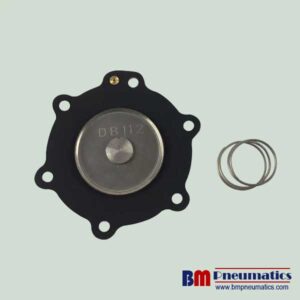
1. Understanding the Pulse Jet Valve’s Function
A pulse jet valve is a precision solenoid-operated device that releases controlled, high-pressure bursts of compressed air. These pulses travel through filter bags, dislodging accumulated dust cake to maintain airflow and system pressure in baghouse or cartridge dust collectors.
2. Key Components and the Diaphragm’s Central Role
A pulse jet valve’s operation hinges on the interplay of four key components, with the diaphragm as the central actor:
- Diaphragm: The flexible, dynamic seal and actuator.
- Orifice: The precision opening for compressed air release.
- Pilot Valve: The electrically controlled trigger that initiates the cycle.
- Spring: The mechanism that resets the diaphragm.
3. The Diaphragm’s Dual Critical Functions
3.1. The Primary Actuator for Airflow Control
The diaphragm is the direct component that opens and closes the main orifice, governing the pulse’s power and timing.
- Cycle Breakdown:
- At Rest: The spring force and system pressure hold the diaphragm against the orifice, creating a perfect seal and preventing air loss.
- During Pulse: A brief signal energizes the pilot valve, venting pressure from above the diaphragm. The higher pressure below instantly forces the diaphragm to flex upward, unleashing a powerful shockwave of compressed air through the orifice.
- Reset: The pilot valve closes, pressure rebuilds above the diaphragm, and the spring assists in returning it to its sealed position—all within milliseconds.
3.2. The Dynamic Seal for System Integrity
Beyond actuation, the diaphragm serves as a critical dynamic seal. Any compromise—such as tearing, hardening, or cracking—leads to continuous air leakage. This “passive failure” silently increases compressed air consumption, reduces cleaning efficiency, and can lead to system-wide pressure drops.
4. Why the Diaphragm is the “Heart”: Consequences of Failure
A failing diaphragm doesn’t just weaken a single pulse; it can trigger a cascade of operational issues:
- Loss of Precision & Timing: A sluggish or stuck diaphragm causes weak or mistimed pulses, resulting in incomplete filter cleaning, elevated differential pressure, and higher energy costs.
- Material Fatigue & Failure: Subjected to constant flexing, pressure cycles, and environmental factors (heat, oil, moisture), the diaphragm’s material is paramount. Common materials include:
- Nitrile Rubber (NBR): Excellent for general use with good oil and abrasion resistance.
- Ethylene Propylene Diene Monomer (EPDM): Superior for high-temperature and steam applications.
- Fluoroelastomer (FKM/Viton®): Ideal for demanding environments with exposure to high heat and chemicals.
- Reduced Responsiveness: Loss of flexibility delays the valve’s open/close cycle, wasting compressed air and diminishing the cleaning pulse’s kinetic energy.
5. Case Study: The Cost of a Failed Diaphragm
Scenario: A manufacturing plant noted a gradual 15% increase in compressed air usage and frequent filter clogging in one dust collector module.
Diagnosis: Technicians found the pulse jet valves’ standard NBR diaphragms had hardened and cracked due to unanticipated heat from a nearby process. This caused continuous air leaks and weak pulses.
Solution & Result: The diaphragms were replaced with high-temperature EPDM versions. The result was an immediate return to baseline air consumption, elimination of the pressure drop issues, and restored system efficiency. This case underscores that specifying the correct diaphragm material is not an option—it’s a critical operational requirement.
6. Proactive Maintenance: Inspection and Replacement
Preventive maintenance is the most effective strategy to avoid unscheduled downtime.
- Inspection Checklist: During routine service, check diaphragms for:
- Cracks, tears, or pinholes.
- Hardening or loss of elasticity.
- Permanent deformation or set.
- Chemical swelling or discoloration.
- Replacement Best Practices:
- Source Genuine Parts: Always use OEM or high-quality certified replacement kits (like our ASCO, AUTEL, and MECAIR diaphragm kits) to ensure perfect fit and material specification.
- Clean the Chamber: Before installation, clean the valve body to prevent contaminant ingress.
- Correct Installation: Ensure the diaphragm is seated evenly without twists or pinches. Follow manufacturer torque specifications for the assembly.
(Conclusion)
The diaphragm’s role as the “heart” of the pulse jet valve is a fitting analogy. Its relentless, precise actuation and sealing are fundamental to the health of your entire dust collection system. Prioritizing its condition through informed material selection and proactive maintenance is not just a best practice—it’s a direct investment in system reliability, energy efficiency, and lower total cost of ownership.