

Goyen pulse valves are used in industrial dust collection systems to deliver short bursts of compressed air for cleaning filter bags and cartridges. Reliable valve operation helps maintain effective filter cleaning, control differential pressure, and support the continuous operation of dust collectors.

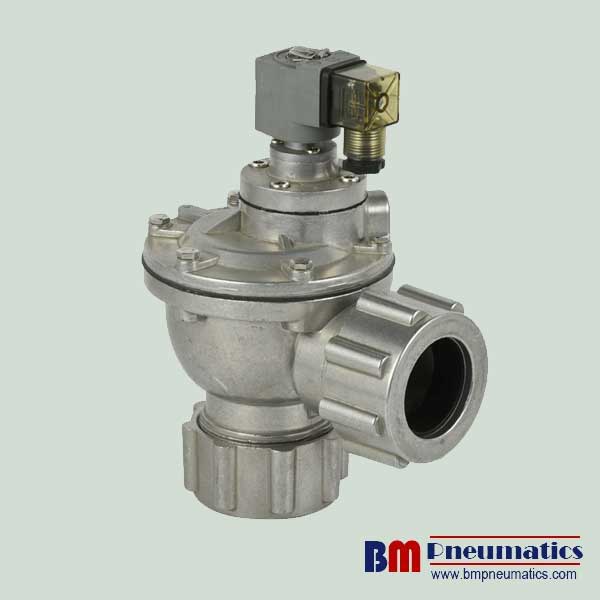
However, pulse valves can develop problems after extended operation. Common symptoms include continuous air leakage, weak cleaning pulses, irregular valve response, and diaphragm deterioration. These issues may increase compressed air consumption and reduce dust collection performance.
Effective Goyen pulse valve troubleshooting begins with identifying the underlying cause rather than replacing components immediately. Although a damaged diaphragm can affect valve operation, problems with the compressed air supply, electrical controls, solenoid components, or internal passages can produce similar symptoms.
This guide explains common Goyen pulse valve problems, practical inspection methods, and when diaphragm replacement or a repair kit may be appropriate.
1. Common Goyen Pulse Valve Problems
The following table summarizes common symptoms and their possible causes.
| Problem | Possible Causes | Recommended Checks |
|---|---|---|
| Continuous air leakage | Damaged diaphragm, contaminated sealing surface, loose connections | Locate the leak and inspect relevant sealing components |
| Weak cleaning pulse | Insufficient air supply, restricted airflow, valve malfunction | Check air pressure and valve operation |
| Valve does not activate | Electrical fault, solenoid problem, blocked passage, mechanical failure | Check the control signal and pneumatic components |
| Valve does not close properly | Diaphragm damage, contamination, internal component failure | Inspect the diaphragm and sealing surfaces |
| Irregular valve response | Unstable air pressure, restricted passages, control problems | Check the air supply and control sequence |
| Repeated diaphragm failure | Incorrect replacement, unsuitable material, abnormal operating conditions | Verify compatibility and investigate the root cause |
These symptoms can overlap. For example, a weak cleaning pulse may result from insufficient compressed air rather than a defective diaphragm. Therefore, inspect the complete system before deciding which components to replace.
2. Goyen Pulse Valve Leaking Air
Air leakage is one of the most important problems to investigate because it can waste compressed air and interfere with normal dust collector operation.
Possible causes
A Goyen pulse valve may leak because its diaphragm is cracked, deformed, worn, or unable to seal correctly. Contamination on a sealing surface may also prevent the valve from closing properly.
In other cases, the leakage may originate from external pipe connections or another part of the pneumatic system. Identifying the source is therefore the first step.
How to troubleshoot air leakage
First, determine where the compressed air is escaping. Inspect external connections and fittings, then check whether the leakage appears to originate from the valve assembly.
If internal inspection is necessary, isolate the equipment and safely release all stored compressed air before disassembly. Follow the applicable lockout/tagout procedures.
Inspect the diaphragm and relevant sealing surfaces for cracks, deformation, wear, or contamination. If the diaphragm is damaged, replacing it with a compatible component may resolve the problem.
However, if leakage continues after replacement, investigate the valve seat, internal passages, assembly condition, and other relevant components.
Maintenance tip: Do not repeatedly replace the diaphragm without checking why the original component failed. Persistent leakage may indicate an unresolved problem elsewhere in the valve or pneumatic system.
3. Weak Cleaning Pulse in a Goyen Dust Collector Valve
A weak cleaning pulse can prevent filter bags or cartridges from releasing accumulated dust effectively. Over time, this may contribute to increased differential pressure and reduced filtration performance.
Check the compressed air supply
Begin by checking the compressed air supply to the valve. Insufficient or unstable pressure may prevent the valve from delivering the intended cleaning pulse.
Also inspect the air header, connecting pipes, filters, and other pneumatic components for restrictions or leakage.
Use the operating requirements specified for the particular valve and dust collector. Do not assume that all Goyen pulse valves operate under identical pressure conditions.
Inspect the valve assembly
If the air supply is adequate, investigate whether the valve opens and closes correctly. A damaged diaphragm, restricted passage, or malfunctioning pilot mechanism may affect pulse performance.
The control system should also be checked. Incorrect pulse timing or a missing control signal can reduce cleaning effectiveness even when the valve itself remains serviceable.
Before ordering replacement components, establish whether the weak pulse originates from the air supply, the valve assembly, or the control system.
4. Goyen Pulse Valve Does Not Operate
When a Goyen pulse valve fails to activate, the problem may be electrical, pneumatic, or mechanical.
Checking these systems separately can help identify the cause without unnecessary disassembly.
Check the electrical control system
Confirm that the dust collector controller is issuing the expected output signal. Inspect relevant wiring, connectors, and electrical components according to the equipment manufacturer’s service instructions.
If the valve uses a solenoid-operated pilot mechanism, verify that the solenoid receives the correct signal. Follow the applicable procedures when testing electrical components.
Check the pneumatic system
If the electrical signal is present, confirm that the valve receives an adequate compressed air supply.
A blocked passage, contaminated internal component, damaged diaphragm, or another mechanical fault may prevent normal operation.
If several valves stop working at the same time, investigate shared components such as the controller, power supply, air header, and wiring. If only one valve is affected, focus on its individual electrical and pneumatic connections.
This comparison helps distinguish a local valve fault from a wider system problem.
5. Goyen Pulse Valve Opens but Does Not Close Properly
A valve that fails to close correctly may continue releasing compressed air or behave inconsistently during cleaning cycles.
Possible causes include diaphragm deterioration, contamination, damaged sealing surfaces, or problems with the pilot mechanism.
Start by checking the compressed air supply and control sequence. Then inspect the relevant internal components after the system has been safely isolated and depressurized.
If the diaphragm shows visible damage or deterioration, replacement may be necessary. Nevertheless, also inspect the sealing surfaces and other components that influence valve closure.
A new diaphragm may not solve the problem if the actual cause is contamination, incorrect assembly, or another mechanical fault.
6. When Should You Replace a Goyen Pulse Valve Diaphragm?
The diaphragm is a critical component in many pulse valve designs. Its condition can influence sealing performance, valve response, and cleaning consistency.
Consider diaphragm replacement when inspection or troubleshooting indicates:
- Cracks, tears, deformation, or unusual wear.
- Persistent leakage traced to the diaphragm assembly.
- Deterioration that prevents reliable sealing.
- Valve operation problems confirmed to originate from the diaphragm.
- Damage that makes the existing component unsuitable for continued service.
However, not every pulse valve malfunction requires a new diaphragm. First rule out problems with compressed air pressure, electrical controls, solenoid operation, and other relevant components.
Selecting the correct replacement diaphragm
Before ordering a Goyen pulse valve diaphragm, verify the complete valve model and applicable replacement-part reference.
Check the required dimensions, material specification, and component configuration. Do not assume that diaphragms are interchangeable across every valve in the same product family.
If the original part number is unavailable, provide the valve identification details and clear photographs to your supplier. Confirm compatibility against the relevant product information before installation.
7. Goyen Pulse Valve Repair Kit or Diaphragm Only?
After identifying the fault, the next step is to determine whether an individual diaphragm or a repair kit is more appropriate.
When to replace the diaphragm only
An individual diaphragm may be sufficient when the fault is isolated to that component and the other relevant valve parts remain serviceable.
This approach can reduce unnecessary replacement costs. However, the new diaphragm must match the valve’s configuration and operating requirements.
When to choose a repair kit
A repair kit may be more suitable when several service components require replacement or when the maintenance procedure calls for replacing them together.
Kit contents vary by product reference. Before ordering, confirm which components are included and whether the kit is intended for the complete valve model.
The correct choice depends on the diagnosed fault, the condition of the existing components, and the applicable maintenance recommendations.
8. How to Replace a Goyen Pulse Valve Diaphragm
The replacement procedure depends on the valve’s design and configuration. Always follow the instructions applicable to the exact model.
A typical maintenance process includes the following steps:
- Isolate the equipment. Shut down the relevant system, isolate the compressed air supply, and safely release stored pressure. Apply the required lockout/tagout procedures.
- Identify the valve. Record the complete model and relevant part references before disassembly.
- Inspect the existing diaphragm. Check for cracks, tears, deformation, contamination, and other signs of deterioration.
- Examine related components. Inspect the relevant sealing surfaces and other parts that may affect valve operation.
- Verify the replacement. Confirm the diaphragm or repair kit’s part reference, dimensions, material, and compatibility.
- Install the components. Follow the manufacturer’s instructions for orientation, assembly, and tightening.
- Test the valve. Restore the system safely and check for leakage and consistent operation under the specified conditions.
If the valve continues to malfunction after replacement, reassess the original diagnosis. The problem may originate from another internal component, the control system, or the compressed air supply.
9. Common Causes of Repeated Goyen Diaphragm Failure
Replacing a damaged diaphragm may restore operation temporarily, but repeated failure usually warrants a broader investigation.
Incorrect replacement part
A diaphragm that does not match the valve specification may fail to seal or operate correctly. Verify the complete valve model and part reference before installation.
Poor compressed air quality
Moisture, oil, rust, and other contaminants may affect valve components. Inspect and maintain the compressed air treatment system according to the applicable maintenance plan.
Unsuitable operating conditions
Temperature, chemical exposure, and cycling conditions may influence diaphragm performance. Confirm that the replacement material meets the requirements of the actual application.
Incorrect installation
Improper assembly, damaged sealing surfaces, or failure to follow the manufacturer’s instructions can affect valve operation and component life.
An unresolved valve or system problem
A blocked passage, malfunctioning pilot mechanism, unstable air supply, or another internal fault may continue to affect a new diaphragm.
When repeated failures occur, document the symptoms and operating conditions. Investigating the root cause can help prevent further replacement costs and unnecessary downtime.
10. How to Maintain Goyen Pulse Valves
Preventive maintenance can help identify developing problems before they interrupt dust collector operation.
Maintain the compressed air system
Inspect the air header, filters, drainage arrangements, and other relevant components according to the equipment manufacturer’s recommendations. Address moisture, contamination, and unstable pressure where identified.
Monitor cleaning performance
Record relevant operating conditions, valve behavior, compressed air pressure, and dust collector differential pressure. Changes over time can help reveal developing issues.
Inspect valves during scheduled maintenance
Look for leakage, irregular response, visible deterioration, and signs of contamination. Follow the applicable isolation and depressurization procedures before inspecting internal components.
Keep replacement-part records
Maintain records of valve models, diaphragm references, repair kit numbers, replacement dates, and observed faults. These records can improve spare-parts planning and reduce the risk of ordering incompatible components.
Investigate recurring problems
If the same valve repeatedly develops faults, check the complete system instead of automatically replacing the same component. Root-cause analysis can help identify problems with air supply, installation, operating conditions, or replacement-part compatibility.
11. Selecting Goyen Pulse Valve Replacement Parts
When sourcing Goyen diaphragms or repair kits, provide enough information to confirm the intended application.
Useful details include:
- Complete valve model and identification information.
- Original diaphragm or repair kit part number, if available.
- Relevant dimensions and material specifications.
- Photographs of the valve identification label.
- Required quantity.
- Operating conditions and delivery requirements.
If the original part number is unknown, provide clear photographs and any available technical documentation. These details can support identification, but appearance alone is not sufficient to confirm compatibility.
For facilities maintaining multiple dust collectors, a verified spare-parts list can help standardize purchasing and reduce delays during maintenance.
12. Goyen Pulse Valve Diaphragms and Repair Kits from BMP Pneumatics
BMP Pneumatics supplies industrial pulse valve replacement components, including Goyen diaphragm and repair kit options for supported product ranges.
When requesting a quotation, provide the complete valve model and original part number if available. Photographs and technical information can also help clarify the requirement.
Our team can review the information provided and help identify suitable replacement options for further compatibility verification.
For industrial facilities operating pulse-jet dust collectors, selecting the correct replacement component is an important step toward maintaining reliable valve operation and controlling maintenance costs.
13. Frequently Asked Questions
Why is my Goyen pulse valve leaking air?
Possible causes include diaphragm damage, contamination on sealing surfaces, incorrect assembly, or loose connections. Identify the leakage location and inspect the relevant components before replacing parts.
Can a damaged diaphragm cause weak dust collector cleaning pulses?
Yes. Depending on the valve design and failure mode, diaphragm damage may affect valve operation and cleaning performance. However, low air pressure, restricted passages, and control problems can produce similar symptoms.
How do I identify the correct Goyen diaphragm?
Start with the complete valve model and applicable part number. Confirm the replacement specification and material requirements against reliable product information before ordering.
Should I buy a Goyen diaphragm or a complete repair kit?
An individual diaphragm may be suitable when the fault is isolated and other components remain serviceable. A repair kit may be preferable when additional service components require replacement. Confirm the kit contents before purchasing.
Why does my replacement diaphragm fail repeatedly?
Potential causes include an incompatible replacement, unsuitable material, contaminated compressed air, incorrect installation, or abnormal operating conditions. Investigate the underlying cause before installing another diaphragm.
Can I use a diaphragm from another pulse valve brand?
Do not assume cross-brand compatibility. Even visually similar components may differ in dimensions, materials, sealing details, or operating characteristics. Use an alternative only when compatibility has been verified for the specific valve.
Conclusion
Effective Goyen pulse valve troubleshooting requires a systematic approach. Air leakage, weak cleaning pulses, irregular response, and diaphragm deterioration can originate from different electrical, pneumatic, or mechanical problems.
Check the compressed air supply and control signals before inspecting internal components. When a diaphragm or repair kit is required, verify the complete valve model and replacement-part specification to reduce compatibility risks.
BMP Pneumatics supplies Goyen pulse valve diaphragms and repair kits for supported product ranges. Contact our team with your valve identification details to discuss suitable replacement options for your industrial dust collection system.