

Introduction
Pulse valves play a critical role in industrial dust collection systems by delivering short bursts of compressed air to clean filter bags and cartridges. Because these valves operate repeatedly under demanding industrial conditions, proper maintenance is essential to ensure reliable performance and avoid unexpected production interruptions.
A poorly maintained pulse valve can lead to problems such as:
- Reduced cleaning efficiency
- Increased differential pressure
- Higher compressed air consumption
- Filter damage
- Unexpected system downtime
Although pulse valves are designed for long service life, their performance depends heavily on operating conditions, compressed air quality, installation accuracy, and regular inspection.
A preventive maintenance program helps identify early warning signs, replace worn components before failure occurs, and maximize the service life of the entire dust collection system.

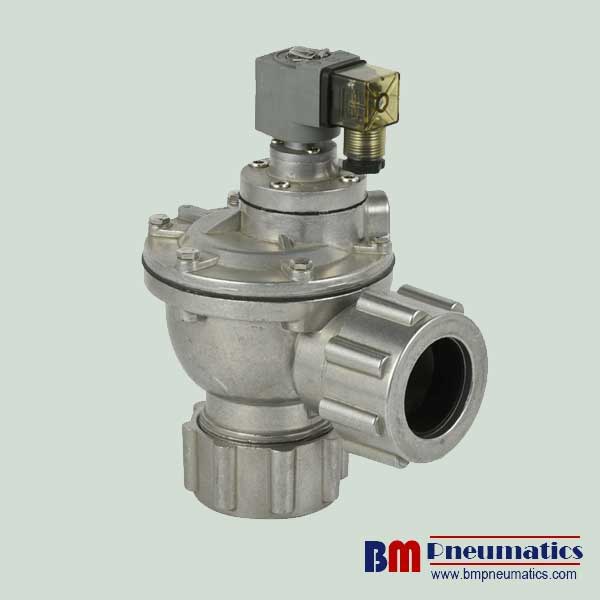
This guide explains the most important pulse valve maintenance practices, inspection procedures, and replacement recommendations for industrial applications.
Why Pulse Valve Maintenance Is Important
A pulse valve may operate thousands of times every day.
Each cleaning cycle requires the diaphragm to:
- Open rapidly
- Release compressed air
- Return to the closed position
- Maintain a proper seal
Over time, repeated movement creates mechanical stress on internal components.
Regular maintenance helps:
Improve Dust Collector Efficiency
A properly functioning pulse valve ensures effective cleaning of filter media.
This helps maintain:
- Stable airflow
- Lower pressure drop
- Better filtration performance
Reduce Compressed Air Consumption
Air leakage caused by damaged diaphragms or seals can significantly increase operating costs.
Maintenance helps prevent unnecessary energy waste.
Extend Component Life
Replacing small wear parts such as diaphragms and seals can prevent larger failures.
Reduce Production Downtime
Unexpected dust collector failure can interrupt industrial processes.
Preventive maintenance reduces emergency repairs.
Main Components That Require Maintenance
Although a pulse valve contains several parts, some components require more attention than others.
Diaphragm
The diaphragm is the most important maintenance component.
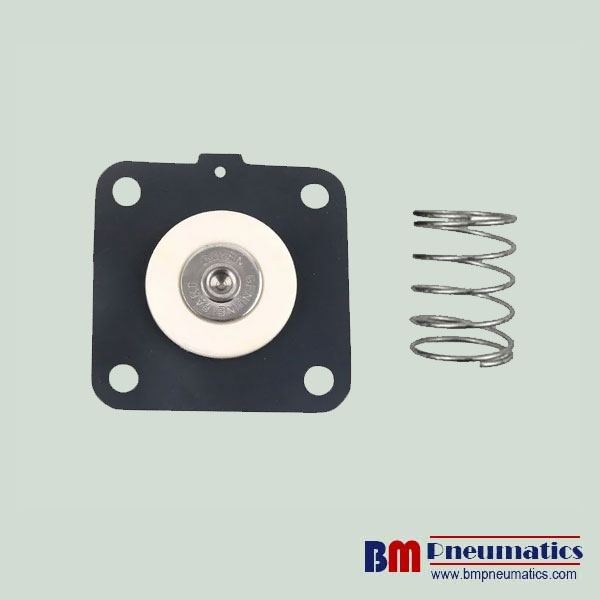
It controls the opening and closing of the main airflow passage.
Common diaphragm problems include:
- Cracking
- Hardening
- Deformation
- Leakage
- Reduced flexibility
Inspection should focus on:
- Surface condition
- Elasticity
- Sealing performance
When significant wear appears, replacement with a compatible pulse valve diaphragm or repair kit is recommended.
Pilot Solenoid Assembly
The pilot solenoid controls diaphragm activation.
Maintenance should include checking:
- Coil condition
- Electrical connections
- Pilot valve movement
- Internal cleanliness
A faulty pilot assembly may cause:
- Valve failure to open
- Slow response
- Continuous leakage
Seals and O-Rings
Sealing components prevent compressed air leakage.
Over time, seals may:
- Become brittle
- Lose elasticity
- Wear due to friction
Replacing seals during repair kit maintenance improves reliability.
Spring
The spring helps return the diaphragm to the closed position.
A damaged spring may cause:
- Slow valve closing
- Air leakage
- Unstable operation
Compressed Air System
The quality of compressed air has a major impact on pulse valve life.
Compressed air should be:
- Clean
- Dry
- Free from oil contamination
Poor air quality is one of the main causes of premature diaphragm failure.
Daily Pulse Valve Inspection
For continuously operating dust collectors, simple daily checks can prevent major problems.
Inspect:
Air Leakage
Listen for abnormal air leakage sounds.
Continuous leakage may indicate:
- Damaged diaphragm
- Poor sealing
- Valve contamination
Cleaning Performance
Observe whether dust removal remains effective.
Warning signs include:
- Increased filter pressure
- Reduced airflow
- Excessive dust accumulation
Abnormal Noise
Unusual sounds may indicate:
- Loose components
- Internal damage
- Incorrect operating conditions
Monthly Maintenance Checklist
A more detailed inspection should be performed regularly.
Check Compressed Air Pressure
Verify that pressure remains within the recommended operating range.
Most industrial pulse valves operate approximately between:
- 0.3 MPa and 0.8 MPa
- 3 bar and 8 bar
Incorrect pressure can reduce cleaning efficiency or increase wear.
Inspect Valve Connections
Check:
- Thread connections
- Air leakage points
- Mounting condition
Loose connections may reduce system performance.
Check Solenoid Coil
Inspect:
- Voltage compatibility
- Coil temperature
- Electrical connections
A damaged coil may prevent valve operation.
Review Controller Settings
Confirm:
- Pulse frequency
- Pulse duration
- Cleaning sequence
Incorrect settings can increase valve cycling and shorten service life.
Periodic Maintenance Procedures
Depending on operating conditions, deeper maintenance may be required.
Inspect and Replace Diaphragm
The diaphragm should be replaced when:
- Cracks appear
- Leakage occurs
- Valve response becomes slow
- Cleaning performance decreases
Using a suitable pulse valve repair kit allows quick restoration.
Clean Internal Components
Dust contamination inside the valve can affect sealing performance.
During maintenance:
- Remove internal dirt
- Check sealing surfaces
- Ensure smooth movement
Check Valve Performance
After maintenance:
- Activate the valve
- Observe air discharge
- Confirm proper closing
- Check for leakage
Factors That Affect Pulse Valve Service Life
Several factors influence how long a pulse valve can operate.
Compressed Air Quality
Moisture and oil contamination accelerate diaphragm deterioration.
Installing proper air treatment equipment improves service life.
Operating Frequency
Higher cleaning frequency increases mechanical cycles.
Excessive cycling causes faster wear.
Temperature Conditions
Extreme temperatures affect diaphragm flexibility and sealing performance.
Choose suitable materials such as:
- EPDM
- FKM
- Silicone
for demanding environments.
Dust Characteristics
Different dust types create different operating challenges.
Examples:
- Abrasive dust increases wear
- Sticky dust increases cleaning demand
- Chemical dust requires compatible materials
Installation Quality
Incorrect installation may cause:
- Leakage
- Poor airflow
- Premature failure
Always follow manufacturer installation requirements.
Recommended Pulse Valve Maintenance Schedule
A practical maintenance schedule:
Daily
- Check for air leakage
- Observe cleaning performance
- Monitor abnormal noise
Monthly
- Inspect electrical connections
- Check operating pressure
- Review controller settings
Every 3–6 Months
- Inspect diaphragm condition
- Check seals
- Clean valve components
During Overhaul
- Replace worn repair kit components
- Evaluate valve condition
- Review system performance
Actual intervals depend on application conditions.
How to Extend Pulse Valve Service Life
Follow these best practices:
Use High-Quality Repair Components
Low-quality diaphragms and seals may fail prematurely.
Use compatible repair kits with correct materials and dimensions.
Maintain Clean Compressed Air
Install:
- Air filters
- Water separators
- Dryers
to protect internal components.
Avoid Excessive Cleaning Cycles
Optimize controller settings to balance cleaning performance and component life.
Keep Spare Parts Available
Maintain inventory of:
- Pulse valve diaphragms
- Repair kits
- Solenoid coils
- Sealing components
This reduces downtime during unexpected failures.
When Should a Pulse Valve Be Replaced?
A repair kit is usually sufficient when:
- Valve body is intact
- Internal components are usable
- Only wear parts require replacement
A complete replacement is recommended when:
- Valve body is damaged
- Severe corrosion exists
- Internal passages are worn
- Repair cost exceeds replacement value
FAQ
How often should pulse valves be maintained?
Maintenance frequency depends on operating conditions. Continuous industrial systems should be inspected regularly, with detailed checks performed according to manufacturer recommendations.
How can I increase pulse valve life?
Maintaining clean compressed air, using suitable diaphragm materials, and replacing worn components early can significantly extend service life.
What is the most common pulse valve failure?
The most common failure is diaphragm damage caused by wear, contamination, excessive pressure, or unsuitable operating conditions.
Should I replace the whole valve when the diaphragm fails?
Not always. If the valve body and pilot assembly remain functional, replacing the diaphragm or repair kit is usually more economical.
What spare parts should be stocked for pulse valve maintenance?
Common spare parts include:
- Diaphragms
- Repair kits
- O-rings
- Springs
- Solenoid coils
Conclusion
Proper pulse valve maintenance is essential for maintaining reliable dust collector operation and minimizing industrial downtime.
Regular inspection, clean compressed air, correct operating settings, and timely replacement of worn components can significantly improve valve performance and extend service life.
For industrial facilities using pulse jet dust collection systems, preventive maintenance is always more cost-effective than emergency repair.
By establishing a structured maintenance program and keeping compatible pulse valve repair kits available, companies can ensure stable filtration performance, reduce operating costs, and achieve longer equipment reliability.