
Introduction
Pulse valves are essential components in industrial dust collection systems. They control the release of compressed air pulses that clean filter bags and cartridges, helping maintain stable airflow and efficient filtration.
Although industrial pulse valves are designed for long-term operation, problems can occur due to diaphragm wear, poor compressed air quality, incorrect installation, electrical issues, or improper maintenance.
When a pulse valve fails, the entire dust collection system may experience reduced cleaning efficiency, increased differential pressure, higher energy consumption, or unexpected downtime.
A systematic troubleshooting process helps maintenance teams quickly identify the root cause and restore normal operation.
This guide explains the most common pulse valve problems, their causes, and practical solutions.
How to Identify Pulse Valve Problems
Before repairing a pulse valve, it is important to understand the symptoms.
Common warning signs include:
- Continuous compressed air leakage
- Valve does not produce a cleaning pulse
- Weak air discharge
- Increased filter pressure drop
- Excessive compressed air consumption
- Unusual valve noise
- Slow valve response
- Dust buildup on filter media
Different symptoms usually indicate different causes.
Common Pulse Valve Problems and Solutions
1. Pulse Valve Is Not Opening
One of the most common problems is that the pulse valve fails to open when receiving a cleaning signal.
Possible Causes
Electrical Signal Failure
The pulse controller may not send a signal to the solenoid coil.
Check:
- Controller output
- Wiring connections
- Power supply voltage
- Control settings
Damaged Solenoid Coil
A failed coil cannot generate the magnetic force required to activate the pilot valve.
Common symptoms:
- No clicking sound during activation
- Valve does not respond
- Coil becomes overheated
Solution:
Check coil resistance and replace if necessary.
Blocked Pilot Passage
Dust or moisture inside the pilot system may prevent proper operation.
Solution:
Clean the pilot components and ensure compressed air quality is acceptable.
Damaged Diaphragm
A damaged diaphragm may prevent the main valve from opening correctly.
Solution:
Replace the diaphragm using a compatible pulse valve repair kit.
2. Pulse Valve Is Leaking Compressed Air
Continuous air leakage is another common issue.
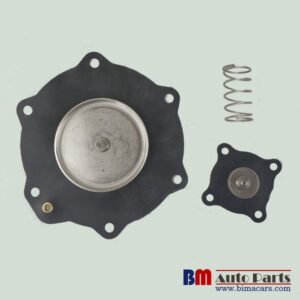
A properly operating pulse valve should remain closed between cleaning cycles.
Possible Causes
Damaged Diaphragm
The diaphragm may have:
- Cracks
- Tears
- Aging damage
- Permanent deformation
Solution:
Replace the diaphragm.
Dirt on the Valve Seat
Small particles between the diaphragm and valve seat can prevent proper sealing.
Solution:
Clean the valve interior and improve compressed air filtration.
Worn Sealing Components
O-rings and seals may lose elasticity over time.
Solution:
Replace worn sealing parts.
Incorrect Installation
Improper assembly can prevent the diaphragm from sealing correctly.
Solution:
Check installation position and tightening torque.
3. Weak Cleaning Performance
Sometimes the pulse valve operates but does not provide enough cleaning force.
Symptoms
- Filter pressure increases
- Dust remains on filter bags
- Cleaning frequency increases
- Airflow decreases
Possible Causes
Insufficient Air Pressure
Pulse valves require adequate compressed air pressure to operate effectively.
Check:
- Air pressure level
- Compressor capacity
- Air manifold condition
Incorrect Valve Size
A valve that is too small may not deliver sufficient airflow for the dust collector.
Solution:
Verify valve specifications with the original system design.
Blocked Blow Tube
A damaged or blocked blow tube reduces cleaning efficiency.
Solution:
Inspect and clean the air delivery system.
Excessive Pulse Duration Settings
Longer pulses do not always improve cleaning.
They may increase air consumption without improving performance.
Solution:
Optimize controller settings.
4. Pulse Valve Opens Slowly
A pulse valve should respond within milliseconds.
Slow operation reduces cleaning efficiency.
Possible Causes
Low Compressed Air Pressure
Insufficient pressure delays diaphragm movement.
Dirty Pilot Valve
Contamination slows the pressure release process.
Aging Diaphragm
Old diaphragms may become stiff and lose flexibility.
Solution:
Replace the diaphragm.
Incorrect Spring Installation
A damaged or incorrectly installed spring can affect valve response.
5. Pulse Valve Makes Abnormal Noise
Unusual sounds may indicate internal problems.
Common causes include:
- Loose components
- Damaged diaphragm
- Incorrect pressure conditions
- Mechanical wear
Inspection should focus on:
- Diaphragm condition
- Spring position
- Valve sealing surfaces
6. Pulse Valve Coil Overheating
A solenoid coil that becomes excessively hot may fail prematurely.
Possible Causes
Incorrect Voltage
Using a coil with the wrong voltage rating can cause overheating.
Example:
Installing a 24V coil on a 220V system can immediately damage the component.
Continuous Energization
Pulse valves are designed for short activation periods.
Continuous power supply may overheat the coil.
Poor Electrical Connection
Loose wiring can increase resistance and generate heat.
Solution:
Check electrical connections and verify coil specifications.
7. Pulse Valve Works but Dust Collector Performance Is Poor
Sometimes the valve operates normally, but the filtration system still performs poorly.
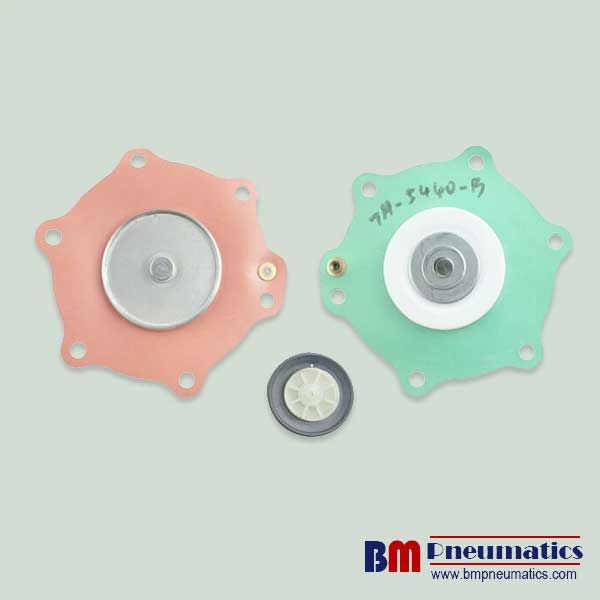
Possible causes include:
- Incorrect pulse sequence
- Insufficient number of valves
- Blocked filter media
- Incorrect cleaning pressure
- Fan problems
- Damaged filter bags
Troubleshooting should include the entire dust collection system, not only the valve.
Pulse Valve Troubleshooting Checklist
When diagnosing problems, follow this checklist:
Step 1: Check Compressed Air Supply
Confirm:
- Pressure is within recommended range
- Air is clean and dry
- No major leakage exists
Step 2: Check Electrical System
Inspect:
- Controller output
- Wiring
- Coil voltage
- Solenoid operation
Step 3: Inspect Valve Components
Check:
- Diaphragm condition
- Spring
- Seals
- Valve seat
Step 4: Verify Installation
Confirm:
- Correct airflow direction
- Proper connections
- Correct mounting position
Step 5: Test Operation
Activate the valve manually and observe:
- Response speed
- Air discharge
- Leakage condition
Preventive Maintenance Tips
Regular maintenance reduces unexpected pulse valve failure.
Maintain Clean Compressed Air
Install:
- Air filters
- Moisture separators
- Air dryers
Clean air significantly improves diaphragm life.
Inspect Diaphragms Regularly
Check for:
- Cracks
- Hardening
- Wear
- Deformation
Keep Spare Repair Kits Available
Having compatible repair kits available reduces downtime.
Common spare parts include:
- Diaphragms
- O-rings
- Springs
- Sealing components
Monitor Operating Conditions
Record:
- Operating pressure
- Cleaning frequency
- Valve performance
- Leakage conditions
Early detection prevents larger failures.
When Should You Replace a Pulse Valve?
A complete pulse valve replacement may be required when:
- Valve body is damaged
- Internal corrosion is severe
- Multiple components fail
- Repair cost approaches replacement cost
However, in many cases, replacing the diaphragm and repair kit is sufficient.
Pulse Valve Troubleshooting FAQ
Why is my pulse valve leaking air continuously?
Continuous leakage is usually caused by a damaged diaphragm, dirty valve seat, worn seals, or incorrect installation.
Why does my pulse valve not work?
Common causes include electrical problems, solenoid coil failure, blocked pilot passages, or diaphragm damage.
How can I test a pulse valve?
You can test a pulse valve by checking electrical activation, compressed air supply, valve response, and leakage condition.
How often should pulse valves be maintained?
Maintenance frequency depends on operating conditions, dust type, and compressed air quality. Regular inspection is recommended for continuous-duty systems.
Can I repair a pulse valve instead of replacing it?
Yes. If the valve body remains in good condition, replacing the diaphragm and repair components is often the most economical solution.
Conclusion
Pulse valve problems can significantly affect dust collector performance, but most failures can be diagnosed and repaired through a systematic troubleshooting process.
The most common causes of failure include diaphragm wear, compressed air contamination, electrical problems, incorrect pressure, and poor maintenance practices.
By regularly inspecting pulse valves, maintaining clean compressed air, and replacing worn components with compatible repair kits, industrial facilities can improve reliability, reduce downtime, and extend equipment life.
For dust collection systems operating continuously, preventive maintenance is the most effective way to ensure consistent cleaning performance and avoid unexpected production interruptions.