
The ASCO SCG353A044 pulse jet valve is a solenoid-operated diaphragm valve designed for compressed-air pulse cleaning systems. It belongs to the ASCO Series 353 family, which is developed for industrial dust collector applications requiring rapid valve opening and closing, high airflow, and reliable filter cleaning.
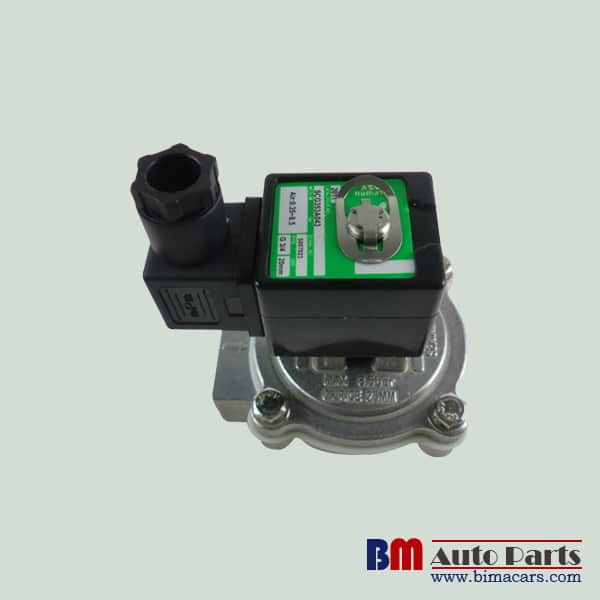
In a baghouse or cartridge dust collector, the valve releases a short burst of compressed air into the cleaning system. This pulse helps remove accumulated dust from filter media, supporting stable filtration performance and reducing the need for frequent manual cleaning.
For maintenance teams and equipment buyers, identifying the correct model is essential. Port size, electrical configuration, diaphragm material, and operating pressure should all be checked before purchasing a replacement valve or repair kit.
1. ASCO SCG353A044 Pulse Jet Valve Overview
The SCG353A044 is a 1-inch pulse valve with a threaded pipe connection in its standard configuration. It uses a normally closed, two-way valve design with an integral pilot-operated diaphragm mechanism.
When the solenoid is energized, the pilot mechanism initiates the opening sequence. The valve then releases compressed air into the connected cleaning pipe. When the electrical signal ends, the valve closes and prepares for the next cleaning cycle.
This operating principle makes the valve suitable for dust collection systems that use sequential pulse cleaning to remove dust from filter bags or cartridges.
Key product characteristics include:
- Product type: Solenoid-operated pulse jet diaphragm valve
- Series: ASCO Series 353
- Model: SCG353A044
- Nominal port size: 1 inch
- Valve function: Two-way, normally closed
- Body material: Aluminium in the standard configuration
- Diaphragm material: TPE in the documented standard configuration
- Sealing material: NBR
- Operating medium: Compressed air
- Operating differential pressure: 0.35–8.5 bar
- Reference weight: Approximately 0.65 kg, including the coil and connector in the referenced catalogue
Actual specifications can vary with the complete part number, coil version, material option, and product revision. Confirm the nameplate and applicable technical documentation before ordering.
2. Technical Specifications of SCG353A044
The following table summarizes key identification data for the SCG353A044. These values describe the referenced configuration and should not be treated as universal specifications for every variant.
| Parameter | Reference specification |
|---|---|
| Manufacturer | ASCO |
| Series | 353 |
| Model | SCG353A044 |
| Valve type | Pilot-operated diaphragm pulse valve |
| Function | 2/2 normally closed |
| Nominal connection | 1 inch |
| Connection type | Threaded |
| Body material | Aluminium |
| Diaphragm material | TPE |
| Seal material | NBR |
| Medium | Air |
| Differential pressure range | 0.35–8.5 bar |
| Ambient temperature range | -20°C to +85°C |
| Reference weight | Approximately 0.65 kg |
| Repair kit reference | C113444, subject to configuration verification |
Understanding the operating pressure
The differential pressure range is important when evaluating whether the valve can operate correctly in an existing compressed-air system. The minimum pressure requirement should be considered alongside the available pressure at the valve inlet and the pressure losses in the piping.
However, a valve’s operating differential pressure is not the same as the entire system’s pressure rating. Before installation, check the manufacturer’s applicable pressure limits and ensure that the compressed-air supply meets the requirements of the specific valve configuration.
Electrical configuration
The solenoid coil must match the control system’s supply voltage and frequency. Series 353 documentation lists multiple electrical versions, including 24 V DC and several AC options, depending on the configuration.
Do not select a replacement based on the model prefix alone. Verify the complete part number, coil label, connector arrangement, and control voltage before placing an order.
3. Applications in Industrial Dust Collection
The SCG353A044 is designed for pulse cleaning duties in industrial dust collection systems. Its suitability for a particular installation depends on the required airflow, pipe arrangement, compressed-air supply, and environmental conditions.
Baghouse filter cleaning
In baghouse systems, compressed-air pulses help dislodge dust from filter bags. The SCG353A044 can be considered for installations designed around a compatible 1-inch pulse valve connection.
Regular and effective pulse cleaning helps maintain filter performance and supports consistent operation of the dust collection system.
Cartridge dust collectors
Cartridge collectors use pleated filter elements that can accumulate dust during operation. A properly selected pulse valve delivers the compressed-air burst required by the cleaning arrangement.
The valve’s connection size, available pressure, and control sequence must match the collector manufacturer’s design.
Industrial manufacturing facilities
Pulse jet cleaning systems are used in various industrial environments, including cement and building materials production, metal processing, chemical manufacturing, and power generation. In these applications, the valve operates as part of a larger filtration system rather than as an independent component.
For demanding environments, verify the compatibility of the valve’s wetted materials, seals, electrical enclosure, and coil with the actual operating conditions.
4. Installation and Maintenance Considerations
Correct installation and routine inspection can help reduce avoidable valve failures and interruptions to dust collector operation.
Check the piping and connection
Confirm that the valve’s connection size and thread standard match the existing piping. The pipework should not place excessive mechanical stress on the valve body.
The inlet direction should follow the markings on the valve. Clean the compressed-air piping before installation and use suitable filtration where required by the manufacturer’s instructions.
Verify the compressed-air supply
Insufficient pressure, pressure fluctuations, moisture, or contamination can affect pulse valve operation. Check the air supply and control sequence if the valve does not open or close as expected.
The supply pressure should remain within the limits specified for the exact valve configuration.
Inspect the diaphragm and seals
The diaphragm is a critical working component. Wear, deformation, contamination, or material deterioration may cause leakage or inconsistent pulse performance.
If the valve operates slowly, leaks air continuously, or fails to deliver an effective cleaning pulse, inspect the diaphragm assembly and other relevant internal components after safely isolating the system.
Check the solenoid and electrical connection
A valve that does not respond to a control signal may have an electrical problem rather than a diaphragm problem. Inspect the coil, connector, wiring, and control output before replacing parts.
Always disconnect electrical power and depressurize the system before carrying out maintenance. Follow the manufacturer’s installation and service instructions.
5. Selecting a Replacement Valve or Repair Kit
When replacing an ASCO SCG353A044, matching the model number is a useful starting point, but it is not the only selection criterion.
Before ordering, check the following details:
- Complete model number: Confirm that the existing valve is SCG353A044 rather than a similar Series 353 model.
- Connection size and type: Verify the 1-inch connection and the thread standard used by the installation.
- Electrical specifications: Match the coil voltage, AC frequency where applicable, and connector arrangement.
- Diaphragm and seal materials: Confirm that the materials are suitable for the operating temperature and compressed-air conditions.
- Pressure requirements: Check the actual differential pressure available during each cleaning cycle.
- Installation dimensions: Compare the valve dimensions and available mounting space with the existing assembly.
Is C113444 the correct repair kit?
The ASCO Series 353 documentation and product cross-reference information associate repair kit C113444 with SCG353A044. Nevertheless, the correct kit should be confirmed against the complete valve configuration and the applicable parts documentation before purchase.
A repair kit should not be selected solely because its product description mentions a similar valve size. Diaphragm design, material, and internal assembly details can affect compatibility.
For procurement, provide the existing valve model, coil information, and any available nameplate or parts reference to the supplier. This helps reduce the risk of ordering an incompatible replacement.
6. Common Questions About ASCO SCG353A044
What is the nominal port size of the SCG353A044?
The referenced Series 353 documentation identifies the SCG353A044 as a 1-inch threaded pulse valve. Confirm the connection standard of the installed valve before replacement.
Is the SCG353A044 normally open or normally closed?
It is a two-way, normally closed valve. In its normal de-energized state, the valve is closed.
What is the operating differential pressure range?
The referenced technical documentation specifies a differential pressure range of 0.35–8.5 bar. The permitted operating conditions should be checked against the exact configuration and its technical documentation.
Which diaphragm material is used in the SCG353A044?
TPE is listed for the referenced standard configuration, with NBR identified as the sealing material. Other material options may exist, so verify the complete product specification before ordering replacement components.
Can C113444 be used to repair the SCG353A044?
C113444 is listed as a corresponding repair kit for this model in the referenced product documentation. Confirm the exact valve version and kit contents before ordering.
What should be checked if the valve fails to produce a cleaning pulse?
Check the compressed-air supply, control signal, coil, piping, and diaphragm assembly. A lack of sufficient differential pressure or an electrical fault can produce symptoms similar to a damaged diaphragm.
Conclusion
The ASCO SCG353A044 pulse jet valve is a 1-inch Series 353 valve designed for compressed-air cleaning in industrial dust collection systems. Correct selection depends on matching the connection, operating pressure, electrical configuration, and internal materials to the installed system.
For maintenance and replacement work, verify the complete valve identification and applicable technical documentation. If a diaphragm repair kit is required, check C113444 against the exact valve configuration before ordering.
BMP Pneumatics supplies pulse valve and diaphragm repair solutions for industrial dust collection applications. Contact our team with the valve model and relevant nameplate information to help identify a suitable replacement or repair kit.