
Introduction
Selecting the right pulse valve is one of the most important decisions when designing, upgrading, or maintaining a pulse jet dust collection system. Although pulse valves may appear similar, differences in valve size, connection type, diaphragm material, operating pressure, and installation method can significantly affect cleaning efficiency, compressed air consumption, filter life, and overall operating costs.
An incorrectly selected valve may result in insufficient cleaning energy, increased differential pressure, excessive compressed air usage, or premature component failure. On the other hand, a properly matched valve helps maintain stable airflow, reduces maintenance requirements, and improves the long-term reliability of the entire dust collection system.
This guide explains the key factors engineers, maintenance teams, and purchasing professionals should consider when choosing a pulse valve.
Why Proper Pulse Valve Selection Matters
A pulse valve is responsible for delivering a precise burst of compressed air that cleans filter bags or cartridges. If the valve cannot provide the required airflow or operate reliably under actual working conditions, the dust collector’s performance will decline.
Choosing the correct valve offers several advantages:
- More effective filter cleaning
- Lower compressed air consumption
- Reduced pressure drop
- Longer filter bag service life
- Fewer maintenance interruptions
- Lower total operating costs
- Improved environmental compliance
Rather than focusing only on the purchase price, it is important to evaluate the valve’s performance throughout its entire service life.
Step 1: Identify Your Dust Collector Type
The first step is understanding the type of dust collector in which the pulse valve will be installed.
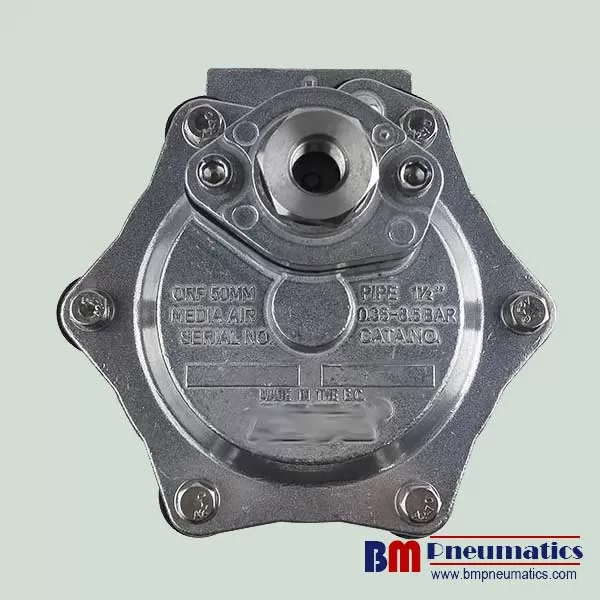
Common systems include:
- Pulse jet baghouse dust collectors
- Cartridge dust collectors
- Bin vent filters
- Cyclone dust collection systems with pulse cleaning
- Central dust extraction systems
Different systems may require different valve configurations, mounting methods, and airflow capacities.
Step 2: Choose the Correct Valve Size
Valve size has a direct influence on the volume of compressed air released during each cleaning pulse.
Common sizes include:
| Valve Size | Typical Application |
|---|---|
| 3/4″ | Small cartridge collectors |
| 1″ | Compact industrial systems |
| 1½” | Medium-sized baghouses |
| 2″ | Standard industrial dust collectors |
| 2½” | Large filtration systems |
| 3″ | Heavy-duty industrial baghouses |
Choosing a valve that is too small may produce weak cleaning pulses, while an oversized valve can waste compressed air without improving cleaning performance.
Always follow the original equipment manufacturer’s specifications or consult airflow calculations before selecting a replacement.
Step 3: Select the Appropriate Valve Type
Pulse valves are available in several structural designs, each suited to different installation requirements.
Right Angle Pulse Valve
The most common choice for industrial dust collectors.
Advantages:
- Compact installation
- Excellent airflow
- Easy maintenance
- Wide range of sizes
Straight Through Pulse Valve
Compressed air flows directly through the valve with minimal pressure loss.
Best for:
- High-flow systems
- Large industrial baghouses
Submerged Pulse Valve
Installed directly inside the compressed air manifold.
Advantages:
- Reduced pressure loss
- Faster response
- Compact design
Threaded and Flanged Valves
Connection type should match the existing piping system to ensure easy installation and reliable sealing.
Step 4: Verify Operating Pressure
Most industrial pulse valves operate efficiently within the range of:
- 0.3–0.8 MPa
- 3–8 bar
- 45–120 PSI
Operating below the recommended pressure can reduce cleaning effectiveness, while excessive pressure may shorten diaphragm life and increase compressed air consumption.
Ensure that the compressed air system can maintain stable pressure during peak demand.
Step 5: Choose the Right Diaphragm Material
The diaphragm is the primary wear component of a pulse valve. Selecting the correct material is essential for long service life.
| Material | Suitable Environment |
|---|---|
| NBR | General industrial use |
| EPDM | Moist or outdoor environments |
| FKM (Viton®) | High temperatures and chemical exposure |
| Silicone | Food and pharmaceutical industries |
Using the wrong diaphragm material can lead to premature wear or failure.
Step 6: Consider the Operating Environment
Environmental conditions should influence your selection.
Ask the following questions:
- Is the installation indoors or outdoors?
- Will the valve be exposed to high humidity?
- Are corrosive gases present?
- Is the ambient temperature unusually high or low?
- Is the application in a food or pharmaceutical facility?
For harsh environments, stainless steel valve bodies and specialized diaphragm materials may provide better long-term reliability.
Step 7: Check Electrical Compatibility
The solenoid coil must match the control system.
Common voltages include:
- 24V DC
- 24V AC
- 110V AC
- 220V AC
- 230V AC
Selecting the wrong voltage may prevent proper valve operation or damage the coil.
Step 8: Ensure Spare Parts Availability
When purchasing a pulse valve, also consider the availability of replacement components.
Check whether compatible repair kits include:
- Diaphragm
- O-rings
- Springs
- Seals
Easy access to spare parts reduces downtime and simplifies maintenance.
Common Selection Mistakes
Avoid these common errors:
- Selecting based solely on price
- Ignoring airflow requirements
- Choosing the wrong valve size
- Overlooking diaphragm material
- Using incompatible electrical coils
- Purchasing products without available repair kits
These mistakes often lead to higher maintenance costs and reduced system efficiency.
Expert Buying Tips
Before placing an order, confirm:
- Valve size
- Connection type
- Operating pressure
- Coil voltage
- Diaphragm material
- Installation dimensions
- Repair kit availability
- Manufacturer support
- Product certifications
- Warranty terms
A detailed specification review helps prevent compatibility issues and ensures long-term performance.
Conclusion
Choosing the right pulse valve requires careful evaluation of your dust collection system, operating conditions, and maintenance strategy. Factors such as valve size, connection type, diaphragm material, operating pressure, and spare parts availability all influence long-term performance.
Investing in a high-quality pulse valve that matches your application can improve cleaning efficiency, reduce compressed air consumption, extend filter life, and lower overall maintenance costs. By taking a lifecycle approach rather than focusing only on initial purchase price, you can achieve greater reliability and better value over time.
FAQ
How do I know what size pulse valve I need?
The correct size depends on your dust collector design, airflow requirements, and the manufacturer’s specifications. Matching the original valve size is usually the safest starting point.
Which diaphragm material is best?
NBR is suitable for most industrial applications, while EPDM, FKM (Viton®), or Silicone should be selected for specific environmental conditions such as high temperatures, humidity, or food-grade applications.
Can I replace only the diaphragm instead of the entire valve?
Yes. If the valve body and pilot assembly are in good condition, replacing the diaphragm with a compatible repair kit is typically the most cost-effective maintenance solution.