
The AUTEL M/D75 diaphragm kit is a replacement-part search term relevant to maintenance teams and industrial buyers looking for diaphragm components for compatible AUTEL pulse valves. In a pulse jet dust collection system, the diaphragm controls the main compressed-air passage, enabling the valve to deliver a short burst of air for cleaning filter bags or cartridges.
Because pulse valves operate repeatedly during normal production, their internal components are exposed to continuous mechanical movement and pressure changes. Over time, diaphragm wear, compressed-air contamination, incorrect installation, or unsuitable operating conditions can affect sealing performance and cleaning efficiency.
Replacing a worn diaphragm can be a practical maintenance solution when the valve body and other internal components remain serviceable. However, the correct replacement must be confirmed against the actual valve model and component specification.
This guide explains how to identify an AUTEL M/D75 diaphragm kit, assess common valve problems, select suitable replacement materials, and maintain pulse valves used in industrial dust collection systems.
What Is an AUTEL M/D75 Diaphragm Kit?
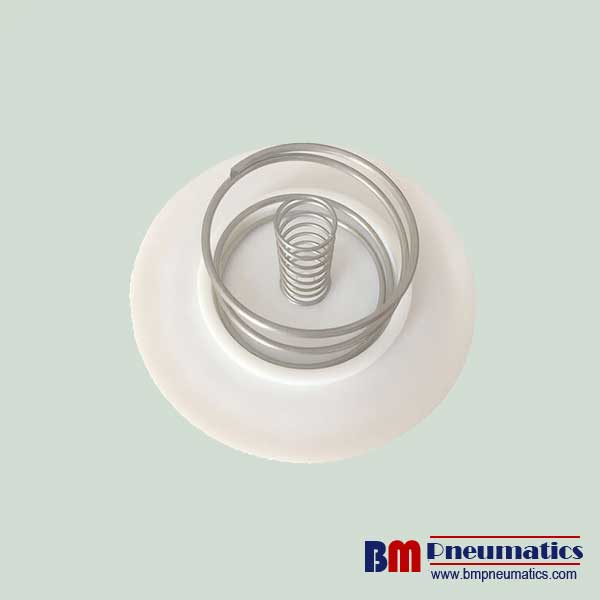
An AUTEL M/D75 diaphragm kit is a diaphragm replacement reference that buyers may encounter when sourcing maintenance components for compatible AUTEL pulse valves. Before ordering, the reference should be verified against the valve manufacturer’s documentation, the existing component, or a confirmed replacement-parts specification.
The diaphragm is a flexible sealing component inside a diaphragm pulse valve. During operation, pressure changes generated by the pilot system cause the diaphragm to move between its open and closed positions. This movement controls the release of compressed air through the main valve opening.
When the cleaning pulse ends, the diaphragm must return to its sealing position. If it cannot move correctly or seal reliably, the valve may leak, produce a weak pulse, or fail to operate consistently.
Therefore, selecting the correct M/D75 replacement requires more than identifying the general valve type. The complete valve model, internal configuration, and diaphragm specification should also be checked.
Why Is Diaphragm Selection Important?
The diaphragm directly affects pulse valve operation. An incompatible replacement may fail to seal correctly, even when its external dimensions appear similar to those of the original component.
Correct diaphragm selection helps support:
- Reliable opening and closing
- Consistent compressed-air pulses
- Effective filter cleaning
- Controlled compressed-air consumption
- Reduced unplanned maintenance
Furthermore, selecting an appropriate replacement helps prevent repeated disassembly caused by incorrect parts.
For industrial buyers, the cost of an unsuitable diaphragm extends beyond the replacement component itself. Additional labour, production interruptions, and unnecessary compressed-air consumption can increase the total maintenance cost.
How to Identify the Correct AUTEL M/D75 Diaphragm Kit
Before purchasing an AUTEL M/D75 diaphragm kit, verify the part reference and the valve configuration using the following information.
1. Check the Complete Valve Model
Start with the model identification on the valve body, product label, technical documentation, or original equipment records.
Record the complete model number, including any suffixes. Similar-looking valve models may use different internal components, so the main model designation alone may not be sufficient.
2. Confirm the Existing Diaphragm Reference
If the original diaphragm or repair-kit packaging is available, check whether it identifies the component as M/D75.
If the reference is missing, take clear photographs of the diaphragm and record its principal dimensions. These details can assist with identification, although dimensional measurements alone may not establish compatibility.
3. Check the Valve Connection and Configuration
Record the valve’s nominal connection size and configuration. However, do not select an M/D75 diaphragm solely because the valve has a particular port size.
The diaphragm’s sealing profile, internal structure, and other design characteristics must match the valve.
4. Request Compatibility Confirmation
If the original part number cannot be verified, provide the valve model, photographs, existing diaphragm dimensions, and application details to the supplier.
This step is particularly important when sourcing replacement components for older equipment or when previous maintenance records are incomplete.
Common Signs of AUTEL Pulse Valve Diaphragm Failure
A deteriorating diaphragm can affect both valve operation and the performance of the dust collection system.
Continuous Compressed-Air Leakage
If compressed air continues flowing after the cleaning pulse, the diaphragm may not be sealing correctly.
However, a damaged valve seat, trapped contamination, or a malfunctioning pilot valve can cause similar symptoms. Therefore, inspect the complete valve before deciding that the diaphragm is the only failed component.
Weak Cleaning Pulses
A diaphragm that cannot open fully may restrict the compressed-air pulse. Consequently, the filter elements may not receive sufficient cleaning, potentially contributing to increasing differential pressure across the filter.
If the pulse is weak after diaphragm replacement, also check the compressed-air supply, piping restrictions, and pilot system.
Failure to Close
A damaged, deformed, or incorrectly installed diaphragm may prevent the valve from returning to its closed position.
This can cause continuous air consumption and abnormal operating noise.
Irregular Valve Response
If pulse strength varies between cycles, inspect the diaphragm and the components that control its movement.
An unstable pilot signal, contamination, or unsuitable operating conditions may produce symptoms similar to diaphragm deterioration.
Repeated Diaphragm Failure
Frequent replacement indicates that the underlying cause may not have been resolved.
In addition to checking the replacement part, investigate compressed-air quality, operating pressure, pulse frequency, valve-seat condition, and installation practices.
What Causes Premature Diaphragm Wear?
The service life of a pulse valve diaphragm depends on both the component specification and the conditions in which it operates.
Common contributing factors include:
- Excessive pulse frequency
- Moisture in the compressed-air supply
- Oil or solid-particle contamination
- Operating temperatures outside the material’s suitable range
- Chemical exposure
- Incorrect installation
- Damaged sealing surfaces
- Incorrect operating pressure
- Malfunctioning pilot components
For example, moisture and contamination can affect internal sealing surfaces, while excessive cycling increases the number of mechanical movements the diaphragm must withstand.
Consequently, repeated failures should trigger a system inspection rather than automatic replacement with another diaphragm of the same reference.
How to Select the Right Diaphragm Material
The material must be suitable for the actual operating environment. Do not assume that every AUTEL M/D75 application uses the same material or that a material suitable for one pulse valve can be used in another without verification.
Temperature Requirements
Confirm the minimum and maximum operating temperatures. The diaphragm must retain suitable flexibility and sealing properties throughout the expected temperature range.
Compressed-Air Quality
Moisture, oil, and particles can affect diaphragm condition and valve reliability. A suitable filtration and drainage arrangement helps reduce contamination entering the valve.
Chemical Compatibility
If the dust collector operates in a chemically aggressive environment, confirm that the diaphragm material is compatible with the actual substances and operating conditions.
Mechanical Operating Conditions
Pulse frequency, pressure fluctuations, and installation quality can influence service life. Material selection should therefore consider the complete operating environment rather than temperature alone.
Verify the Actual Material Specification
Materials such as NBR, EPDM, FKM, and TPE have different performance characteristics. Their suitability depends on the particular formulation, operating temperature, chemical exposure, and valve design.
The correct material for an M/D75 application should be confirmed with the supplier’s specification instead of inferred from the part reference.
AUTEL M/D75 Diaphragm vs. Complete Pulse Valve Repair Kit
When maintaining a pulse valve, the choice between an individual diaphragm and a complete repair kit depends on the condition of the other components.
An individual replacement diaphragm may be sufficient when the valve body, sealing surface, spring, and pilot system remain in good condition.
A complete repair kit may be more appropriate when several internal components show wear or when preventive maintenance requires replacement of multiple specified parts.
However, replacing internal components will not correct severe damage to the valve body or sealing seat. If the valve housing is damaged or the correct replacement components cannot be verified, complete valve replacement may need to be considered.
Before ordering, confirm exactly which components are included in the repair kit. Kit contents can vary by product reference and supplier.
How to Replace a Pulse Valve Diaphragm
The following procedure provides general maintenance guidance. Always follow the instructions for the specific valve model.
Step 1: Isolate the Valve
Shut off the compressed-air supply and release all stored pressure before disassembly.
If the valve is electrically controlled, isolate the control circuit to prevent accidental activation. Follow the site’s applicable lockout and safety procedures.
Step 2: Remove the Valve Cover
Remove the retaining components and carefully take off the cover.
Keep the internal components organized so that they can be inspected and reassembled correctly.
Step 3: Remove the Existing Diaphragm
Remove the old diaphragm and inspect it for cracks, tears, deformation, hardening, and worn sealing edges.
The damage pattern may help identify whether the problem is related to normal wear, contamination, incorrect installation, or unsuitable operating conditions.
Step 4: Inspect the Sealing Surfaces
Inspect the diaphragm seat and surrounding internal components.
Remove foreign material and check for scratches, corrosion, or deformation. A damaged sealing surface can cause leakage even after a new diaphragm has been installed.
Step 5: Clean the Components
Clean the internal components using a method suitable for the valve materials.
Avoid damaging the sealing surfaces or introducing cleaning residues that could affect valve operation.
Step 6: Install the Correct Replacement
Confirm the replacement reference and orientation before installation.
Position the diaphragm correctly and ensure that it is not twisted, folded, or damaged. Install any additional repair-kit components according to the relevant valve instructions.
Step 7: Reassemble the Valve
Reinstall the internal components and cover. Tighten fasteners evenly and follow the specified assembly requirements for the valve model.
Step 8: Test the Valve
Restore the compressed-air supply in accordance with the equipment procedure and test the valve under appropriate operating conditions.
Check that it opens and closes correctly, produces a consistent pulse, and does not continue leaking after the pulse ends.
Why Does a Replacement Diaphragm Leak?
If leakage occurs immediately after replacement, several causes should be investigated.
Incorrect component selection: The diaphragm may not match the valve’s internal configuration, even if the dimensions appear similar.
Incorrect installation: The diaphragm may be misaligned, twisted, or damaged during assembly.
Contaminated sealing surface: Dust or other particles may prevent complete contact between the diaphragm and valve seat.
Damaged valve seat: Scratches, wear, or deformation may prevent the valve from sealing.
Pilot-system fault: The pilot valve may not create the pressure changes required for correct diaphragm movement.
A systematic inspection can identify the actual cause and prevent unnecessary replacement of additional components.
How to Improve Pulse Valve Reliability
Regular maintenance can reduce unexpected diaphragm failures and help maintain consistent dust collector performance.
Maintain Compressed-Air Quality
Inspect filters, drains, and compressed-air lines regularly. Remove moisture and contamination before they reach the pulse valves.
Review Pulse Frequency
Check that the pulse controller settings are appropriate for the dust collector’s operating requirements. Unnecessarily frequent pulses increase component cycling and compressed-air consumption.
Monitor Leakage
Inspect valves for continuous airflow after each cleaning pulse. Early detection allows maintenance teams to address a problem before it becomes more serious.
Inspect Pilot Components
Check the solenoid and pilot valve when pulse response becomes inconsistent. These components can affect diaphragm movement and produce symptoms similar to diaphragm failure.
Maintain Accurate Spare-Part Records
Record the valve model, diaphragm reference, material, installation date, and maintenance history. These records make it easier to identify compatible replacements and investigate repeated failures.
How Often Should an AUTEL M/D75 Diaphragm Be Replaced?
There is no universal replacement interval that applies to every M/D75 diaphragm application.
Actual service life depends on pulse frequency, operating pressure, temperature, compressed-air quality, chemical exposure, and installation conditions.
Instead of relying solely on a fixed calendar interval, use equipment condition and maintenance records to determine replacement needs.
Replacement should be considered when the diaphragm shows visible damage or when the valve develops persistent leakage, weak pulses, or abnormal operation.
Where failures occur repeatedly, investigate the cause before establishing a more frequent replacement schedule.
Industrial Applications
AUTEL pulse valves and compatible replacement components may be used in industrial dust collection systems across different industries. The actual valve and diaphragm specification must be verified for each installation.
Typical dust collection applications include:
- Cement and building materials
- Steel and metallurgy
- Mining and mineral processing
- Power generation
- Chemical processing
- Bulk material handling
- Industrial filtration
Different applications have different temperature, contamination, and chemical-exposure requirements. Therefore, the operating environment should be considered when identifying a replacement diaphragm.
How to Order an AUTEL M/D75 Diaphragm Kit
To help verify the correct replacement, provide the following information when requesting an AUTEL M/D75 diaphragm kit:
- Complete valve model
- Existing diaphragm or repair-kit reference
- Nominal connection size
- Diaphragm dimensions, if available
- Required material or operating conditions
- Required quantity
- Application
- Photos of the complete valve
- Photos of the nameplate and existing diaphragm
If the original reference is unavailable, include as much physical and application information as possible. The supplier can then assess whether the available information is sufficient to confirm compatibility.
Do not place an order based only on a similar appearance or an assumed relationship between the M/D75 reference and a particular valve size.
AUTEL M/D75 Diaphragm Kit Supply
BMP Pneumatics supplies pulse valve diaphragms and repair kits for industrial dust collection applications.
For an AUTEL M/D75 inquiry, provide the complete valve model, existing component reference, required quantity, and application conditions. Photos of the valve and original diaphragm can also help with product identification.
Before shipment, the replacement reference and relevant specifications should be checked against the customer’s installed valve. This helps reduce the risk of receiving an incompatible component and supports more efficient maintenance.
FAQ About AUTEL M/D75 Diaphragm Kits
What is an AUTEL M/D75 diaphragm kit?
It is a diaphragm replacement reference used when sourcing maintenance components for compatible AUTEL pulse valves. The exact part specification and valve compatibility should be confirmed before ordering.
How do I identify the correct M/D75 diaphragm?
Check the complete valve model, original diaphragm reference, dimensions, and internal configuration. If the original identification is unavailable, provide clear photographs and measurements to the supplier.
Can I replace only the diaphragm?
Yes, provided that the valve body, sealing surfaces, and other relevant components remain serviceable. If multiple components are worn, a complete repair kit may be more appropriate.
Why does a new diaphragm leak?
Possible causes include an incompatible replacement, incorrect installation, contamination, a damaged valve seat, or a malfunctioning pilot system.
How long does a pulse valve diaphragm last?
Service life varies with operating conditions, including pulse frequency, temperature, compressed-air quality, pressure, and chemical exposure. There is no single replacement interval suitable for every installation.
What information should I provide when requesting a quotation?
Provide the complete valve model, existing diaphragm reference, quantity, application conditions, and photographs where possible. These details help the supplier verify the replacement requirement.
Conclusion
The AUTEL M/D75 diaphragm kit is a product-specific replacement requirement that should be verified against the actual pulse valve before purchase. The diaphragm controls the main compressed-air flow, so correct selection and installation are important for reliable sealing and consistent dust collector cleaning.
The most effective selection process combines valve-model identification, component-reference checking, dimensional verification where necessary, and confirmation of material suitability.
In addition, maintaining clean compressed air, monitoring valve leakage, reviewing pulse frequency, and inspecting pilot components can help reduce premature failures.
For AUTEL M/D75 diaphragm kit inquiries, contact BMP Pneumatics with your valve model, existing component information, and application details.