
Introduction
Mecair pulse valves are used in industrial dust collection systems to provide rapid compressed-air pulses for cleaning filter bags and cartridges.
A pulse valve is responsible for controlling the release of compressed air from the air manifold into the blow tube. When activated by a pulse controller, the valve opens rapidly and delivers a high-volume pulse that removes accumulated dust from the filter media.
For maintenance engineers and industrial procurement teams, selecting the correct Mecair pulse valve requires attention to several technical parameters. Valve model, connection size, configuration, coil specification, operating pressure, and diaphragm material all affect compatibility and performance.
When an existing valve develops air leakage or loses cleaning performance, replacing the diaphragm or using a compatible Mecair pulse valve repair kit may restore the valve without replacing the complete assembly.
This guide explains Mecair pulse valves, their applications, common components, diaphragm replacement, repair kits, troubleshooting, and replacement considerations.
What Is a Mecair Pulse Valve?
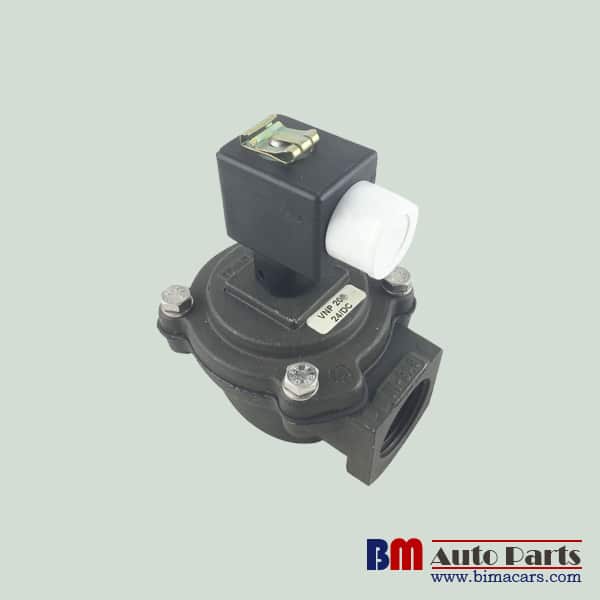
A Mecair pulse valve is a pneumatic diaphragm valve designed for compressed-air pulse cleaning applications.
The valve is typically installed between a compressed-air header and the blow tube of a dust collector.
Under normal conditions, compressed air enters the valve and maintains pressure on the diaphragm.
When the pulse controller sends an electrical signal to the pilot solenoid, the pilot valve opens and changes the pressure inside the control chamber.
The pressure difference causes the diaphragm to open rapidly.
Compressed air is then released through the valve outlet and into the blow tube, producing the cleaning pulse.
After the electrical signal ends, the diaphragm returns to its closed position.
This process is repeated at regular intervals to keep the filter media clean.
How Does a Mecair Pulse Valve Work?
The operating principle can be divided into several stages.
1. Compressed Air Enters the Valve
Compressed air from the header enters the pulse valve.
The diaphragm remains closed because pressure is maintained in the control chamber.
2. The Pilot Valve Is Activated
The dust collector controller sends a signal to the solenoid coil.
The pilot valve opens and releases pressure from the diaphragm control chamber.
3. The Main Diaphragm Opens
The pressure difference across the diaphragm causes it to move rapidly.
This opens the main airflow passage.
4. The Cleaning Pulse Is Released
A large volume of compressed air is discharged through the outlet.
The air travels through the blow tube and produces a reverse-flow cleaning effect on the filter media.
5. The Diaphragm Closes
After the pulse, the pilot valve closes.
Pressure is restored in the control chamber and the diaphragm returns to its closed position.
The valve is then ready for the next cleaning cycle.
Why Are Mecair Pulse Valves Important for Dust Collectors?
A dust collector depends on effective filter cleaning to maintain stable filtration performance.
As dust accumulates on filter bags or cartridges, pressure drop increases.
If cleaning is insufficient, the system may experience:
- Higher differential pressure
- Reduced airflow
- Increased fan energy consumption
- Reduced filter efficiency
- Shorter filter life
- Increased maintenance requirements
A properly functioning pulse valve helps maintain the balance between filtration and filter cleaning.
Common Applications of Mecair Pulse Valves
Mecair pulse valves can be used in a wide range of industrial dust collection applications.
Cement Industry
Cement manufacturing produces significant quantities of fine dust.
Pulse jet dust collectors are commonly installed in:
- Cement mills
- Raw material processing
- Clinker handling
- Conveying systems
- Packaging systems
- Material transfer points
Reliable pulse valves help maintain filter performance under continuous operation.
Steel and Metallurgy
Steel plants use dust collection systems for applications involving:
- Furnaces
- Casting
- Grinding
- Material handling
- Welding
- Processing equipment
The pulse valve must withstand frequent cleaning cycles and demanding industrial conditions.
Mining and Mineral Processing
Mining operations generate abrasive dust during crushing, screening, conveying, and grinding.
Pulse cleaning systems help maintain filter airflow and reduce dust accumulation.
Power Generation
Dust collectors in power plants may handle coal dust, ash, and other particulate materials.
Pulse valves are used to maintain filter performance during continuous operation.
Chemical Industry
Chemical processing may involve aggressive chemicals, elevated temperatures, or high humidity.
The valve and diaphragm material should therefore be selected according to the actual process conditions.
Woodworking
Woodworking dust collectors use pulse valves to clean filter cartridges and maintain airflow.
Mecair Pulse Valve Models and Identification
Mecair offers pulse valve products in different configurations for industrial filtration systems.
When purchasing a replacement valve or repair kit, the exact model should be identified from the existing valve.
Important information may include:
- Valve series
- Model number
- Port size
- Connection type
- Valve configuration
- Coil specification
Similar-looking valves may use different diaphragms or internal components.
Therefore, selecting a repair kit based only on visual appearance is not recommended.
How to Identify a Mecair Pulse Valve
Before ordering a replacement, collect the following information.
Model Number
Check the identification marking on the valve.
Record the complete model number whenever possible.
Valve Size
Confirm the inlet and outlet connection dimensions.
The replacement must be mechanically compatible with the existing installation.
Valve Configuration
Determine whether the valve uses a:
- Right-angle configuration
- Straight-through configuration
- Other specialized configuration
Coil Specification
Check:
- Voltage
- AC or DC
- Frequency
- Electrical connector
The coil must be compatible with the pulse controller.
Operating Pressure
Verify the pressure used by the dust collector and compare it with the valve’s operating range.
Mecair Pulse Valve Diaphragm
The diaphragm is one of the most important wear components in a pulse valve.

During normal operation, it opens and closes repeatedly.
Over time, mechanical movement and pressure cycling can cause the diaphragm to deteriorate.
Common failure conditions include:
- Cracks
- Tears
- Hardening
- Deformation
- Loss of elasticity
- Poor sealing
A damaged diaphragm can cause continuous air leakage or insufficient cleaning performance.
Mecair Pulse Valve Diaphragm Replacement
Replacing the diaphragm is one of the most common maintenance procedures for a pulse valve.
Before replacement, always isolate the valve from:
- Compressed air
- Electrical power
The general replacement process includes:
Step 1: Remove the Valve Cover
Remove the fasteners and carefully open the valve.
Step 2: Inspect the Internal Components
Check the diaphragm, spring, seals, and valve seat for signs of wear or contamination.
Step 3: Remove the Old Diaphragm
Carefully remove the damaged diaphragm.
Avoid damaging the sealing surfaces.
Step 4: Clean the Valve
Remove dust and foreign particles from the internal components.
Step 5: Install the New Diaphragm
Install the replacement diaphragm in the correct orientation.
Make sure it is properly seated.
Step 6: Reassemble the Valve
Install the spring and valve cover.
Tighten the fasteners evenly.
Step 7: Test the Valve
Restore compressed air and electrical power.
Check:
- Opening response
- Pulse strength
- Closing performance
- Air leakage
What Is a Mecair Pulse Valve Repair Kit?
A Mecair pulse valve repair kit is a set of replacement components used to restore a compatible pulse valve.
Depending on the specific valve model, the kit may contain:
- Main diaphragm
- Pilot diaphragm
- O-rings
- Springs
- Seals
- Other internal components
The exact contents vary by valve design.
For maintenance departments operating large dust collection systems, repair kits can be useful because they allow worn internal components to be replaced without replacing the complete valve body.
When Should You Use a Mecair Diaphragm Kit?
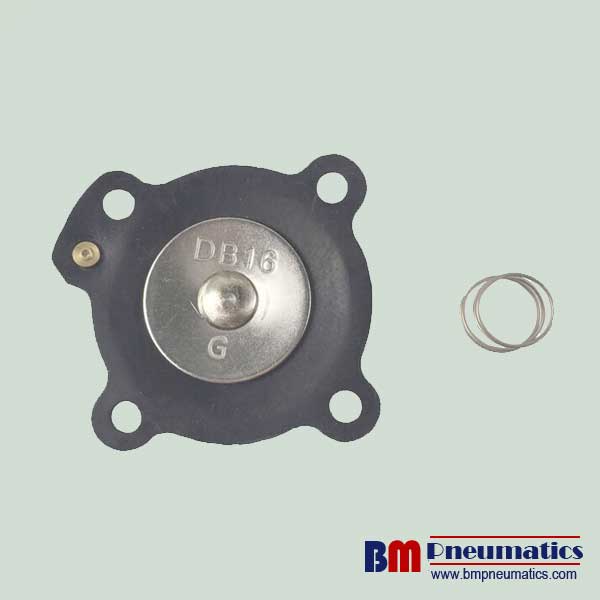
A diaphragm kit may be suitable when:
- The diaphragm is damaged
- The valve leaks compressed air
- The valve responds slowly
- Cleaning performance has decreased
- The valve body remains in good condition
A complete valve replacement may be more appropriate when the valve body is cracked, severely corroded, or mechanically damaged.
Common Mecair Pulse Valve Problems
Several problems occur frequently in industrial applications.
Pulse Valve Does Not Open
Possible causes include:
- No electrical signal
- Damaged solenoid coil
- Pilot valve failure
- Insufficient air pressure
- Damaged diaphragm
Pulse Valve Leaks Air
Possible causes include:
- Damaged diaphragm
- Worn seals
- Contamination
- Incorrect assembly
- Valve seat damage
Cleaning Pulse Is Too Weak
Possible causes include:
- Insufficient compressed-air pressure
- Incorrect valve size
- Blocked blow tube
- Damaged diaphragm
- Incorrect controller settings
Valve Response Is Slow
Possible causes include:
- Low air pressure
- Dirty pilot components
- Aging diaphragm
- Incorrect operating conditions
How to Troubleshoot a Mecair Pulse Valve
A systematic troubleshooting process can reduce unnecessary component replacement.
Check the Electrical System
Verify:
- Controller output
- Coil voltage
- Wiring
- Electrical connections
Check the Compressed Air
Confirm:
- Adequate pressure
- Clean air
- Low moisture
- No significant leakage
Check the Pilot Valve
Make sure the pilot assembly responds correctly when energized.
Inspect the Diaphragm
If the electrical and air supply systems are normal, inspect the diaphragm for mechanical damage.
Check the Blow Tube
A blocked or incorrectly positioned blow tube can reduce cleaning performance even when the pulse valve itself is functioning correctly.
How to Choose a Mecair Replacement Pulse Valve
When purchasing a replacement, compare the new valve with the original valve.
Important parameters include:
Model
Match the complete model number whenever possible.
Port Size
Confirm the connection dimensions.
Valve Configuration
Make sure the replacement fits the existing manifold and blow tube arrangement.
Coil Voltage
Verify compatibility with the existing controller.
Operating Pressure
The valve must be suitable for the actual compressed-air pressure.
Diaphragm Material
Select a diaphragm material according to the working environment.
Installation Dimensions
Check the valve’s overall dimensions before ordering.
This is especially important when replacing valves in a fixed manifold.
Mecair Pulse Valve Repair Kit vs Complete Valve
A repair kit is generally appropriate when the valve body is still usable.
Repair Kit
Advantages:
- Lower replacement cost
- Less material waste
- Faster maintenance
- Suitable for diaphragm and seal failures
Complete Valve
A complete valve may be preferable when:
- Valve body is damaged
- Severe corrosion is present
- Multiple internal components have failed
- The valve is no longer economically repairable
The correct decision depends on the actual condition of the valve.
How to Extend Mecair Pulse Valve Service Life
Proper maintenance can significantly reduce premature failures.
Maintain Clean Compressed Air
Water, oil, and particulate contamination can damage diaphragms and pilot components.
Use appropriate:
- Air filters
- Moisture separators
- Air dryers
Avoid Excessive Pulse Frequency
Unnecessary valve cycles increase diaphragm wear.
Optimize pulse duration and frequency according to the dust collector requirements.
Inspect for Leakage
Continuous air leakage should be investigated promptly.
Monitor Valve Performance
Record changes in:
- Cleaning performance
- Air consumption
- Differential pressure
- Valve response
Changes can provide an early indication of component deterioration.
Keep Spare Repair Kits Available
For dust collectors containing many pulse valves, keeping commonly used repair kits in stock can reduce downtime.
Frequently Asked Questions
What is a Mecair pulse valve used for?
A Mecair pulse valve is used to release short bursts of compressed air for cleaning filter bags and cartridges in industrial dust collection systems.
What is a Mecair pulse valve repair kit?
It is a set of replacement components used to restore a compatible pulse valve, typically including diaphragms and sealing components.
Can I replace only the Mecair pulse valve diaphragm?
Yes. If the valve body and other major components remain in good condition, replacing the diaphragm may restore normal operation.
Why is my Mecair pulse valve leaking?
Common causes include diaphragm damage, worn seals, contamination, incorrect assembly, or pilot system problems.
How do I select the correct Mecair diaphragm?
The diaphragm should be matched to the exact valve model and application. Dimensions, material, construction, and compatibility should all be verified.
How often should Mecair pulse valves be maintained?
There is no universal maintenance interval. Inspection frequency depends on operating pressure, pulse frequency, compressed-air quality, dust characteristics, and environmental conditions.
Can a Mecair pulse valve be replaced with another brand?
A technically compatible replacement may be possible, but dimensions, pressure range, airflow characteristics, coil specifications, and diaphragm design should all be checked before substitution.
Conclusion
Mecair pulse valves are important components in industrial dust collection systems, providing rapid compressed-air pulses for cleaning filter bags and cartridges.
Correct valve identification is essential when purchasing a replacement pulse valve, diaphragm, or repair kit. Model number, port size, valve configuration, coil specification, operating pressure, diaphragm material, and installation dimensions should all be considered.
When the valve body remains in good condition, a compatible Mecair pulse valve repair kit or Mecair pulse valve diaphragm can often provide a cost-effective alternative to complete valve replacement.
For industrial facilities, maintaining clean compressed air, optimizing pulse settings, inspecting valves regularly, and keeping replacement components available can improve dust collector reliability and reduce unexpected downtime.