
Selecting the correct AUTEL pulse valve repair kit is essential for maintaining reliable operation in industrial dust collection systems. The right replacement components can help restore valve performance, reduce compressed air leakage, and minimize unplanned maintenance.
However, choosing a repair kit based only on the brand name or the appearance of an existing component can lead to compatibility problems. Different valve configurations may require different diaphragms, seals, or other internal components.
This guide explains how to identify the correct AUTEL pulse valve repair kit, what information to check before ordering, and how to avoid common purchasing mistakes.
1. What Is an AUTEL Pulse Valve Repair Kit?
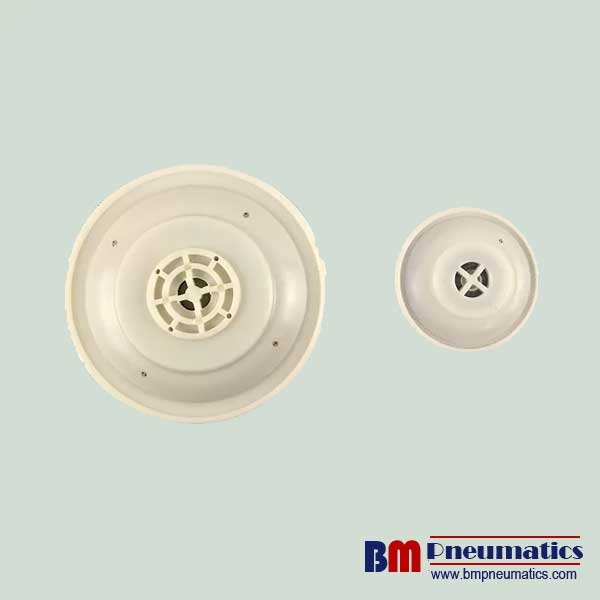
An AUTEL pulse valve repair kit is a set of replacement components intended to service a compatible pulse valve. Depending on the specific product, a kit may contain a diaphragm and other designated service parts.
The exact contents vary by kit reference. Therefore, buyers should confirm the supplied components rather than assuming that all repair kits include the same parts.
In a pulse-jet dust collector, the valve releases a short burst of compressed air to clean filter bags or cartridges. If an internal component becomes worn or damaged, the valve may leak, respond irregularly, or deliver an inadequate cleaning pulse.
A suitable repair kit can help restore normal operation when the fault is caused by a replaceable component. Nevertheless, it will not resolve every problem. Electrical faults, insufficient air pressure, blocked passages, and damaged valve bodies may require separate corrective action.
2. Identify the Complete AUTEL Pulse Valve Model
The first step is to identify the valve that requires maintenance.
Do not rely exclusively on the AUTEL brand name or a broad product-series designation. The complete model identification and applicable part reference provide a more reliable basis for selecting replacement components.
Before requesting a quotation, collect the following information where available:
- Complete valve model and identification details.
- Original diaphragm or repair kit part number.
- Product label or nameplate photographs.
- Existing component dimensions, if documented.
- Operating conditions and relevant maintenance history.
If the original identification label is missing, provide clear photographs of the valve and existing components. These details may help a supplier investigate the correct replacement, although photographs alone may not establish compatibility conclusively.
Important: Do not assume that two kits are interchangeable simply because their descriptions contain the same series designation.
3. Check the Repair Kit Part Number
A part number is often the most useful starting point when replacing an existing repair kit.
If the original part number is available, compare it with the proposed replacement reference. Check whether the replacement is listed for the complete valve model and configuration.
When the original number cannot be identified, request confirmation based on the valve model and available technical information. If necessary, obtain the relevant drawing, parts list, or manufacturer’s compatibility documentation.
Avoid selecting a repair kit solely because its dimensions appear similar. Small differences in diaphragm geometry, sealing details, or component configuration can affect installation and valve operation.
Before placing an order, confirm the following:
- The intended valve model.
- The repair kit’s complete reference.
- The components included in the kit.
- Any applicable material or operating limitations.
- Whether the replacement has been verified for the specific valve.
These checks help reduce ordering errors and avoid unnecessary production downtime.
4. Confirm the Diaphragm Material
The diaphragm is a critical component in many pulse valve assemblies. Its condition and suitability can affect sealing, responsiveness, and service life.
However, material selection should be based on the actual operating environment and the valve manufacturer’s specifications. The same material is not necessarily suitable for every application.
When reviewing a replacement diaphragm, consider:
- Operating temperature: Confirm that the material is suitable for the actual temperature range.
- Compressed air quality: Moisture, oil, and contaminants may influence component condition.
- Chemical exposure: Consider whether the operating environment contains substances that may affect the diaphragm material.
- Operating frequency: Frequent cycling may influence wear and maintenance intervals.
- Manufacturer requirements: Follow the material and service specifications applicable to the valve.
Do not select a diaphragm material based on a generic assumption that one material is always superior. Compatibility and operating conditions should determine the selection.
If the material of the original diaphragm is unknown, ask the supplier to confirm the proposed replacement specification before ordering.
5. Diaphragm Only or Complete Repair Kit?
Buyers sometimes need to decide whether to replace only the diaphragm or purchase a complete repair kit.
The appropriate choice depends on the diagnosed fault, the condition of the remaining components, and the contents of the available kit.
When a diaphragm-only replacement may be suitable
A diaphragm-only replacement may be appropriate when inspection confirms that the diaphragm is damaged but the other relevant components remain serviceable.
For example, if the valve’s leakage has been traced to diaphragm deterioration and the sealing surfaces are in acceptable condition, replacing the compatible diaphragm may be sufficient.
However, the valve should still be inspected for contamination, wear, and assembly issues that could cause the replacement to fail prematurely.
When a repair kit may be preferable
A repair kit may be more appropriate when several designated service components need replacement or when the maintenance procedure specifies that these components should be renewed together.
Before ordering, check exactly what the kit includes. Some kits may contain only selected components, while others may provide a broader set of service parts.
The objective is not to purchase the largest kit available. Instead, select the kit that matches the valve configuration and the maintenance requirements.
6. Common Mistakes When Buying AUTEL Repair Kits
Incorrect part selection can delay maintenance and increase procurement costs. The following mistakes are worth avoiding.
Choosing by brand name alone
The brand identifies the product family, but it does not establish compatibility with every valve. Always verify the complete model and applicable part reference.
Assuming visually similar diaphragms are interchangeable
Two diaphragms may look similar while differing in dimensions, sealing geometry, material, or intended application. Visual inspection should support identification, not replace technical verification.
Ignoring the operating environment
A replacement that does not suit the actual operating conditions may wear prematurely or fail to seal correctly. Review the specified material and operating limits before ordering.
Failing to confirm kit contents
The term “repair kit” does not guarantee a standard set of components. Ask for a component list or product documentation if the contents are unclear.
Ordering without checking the root cause
A weak cleaning pulse or continuous air leakage may originate from a problem outside the diaphragm assembly. Diagnose the valve and pneumatic system before ordering replacement parts.
7. How to Order AUTEL Pulse Valve Repair Kits More Efficiently
For industrial maintenance teams, preparing complete technical information before contacting a supplier can shorten the selection process.
Use the following checklist when requesting a quotation.
| Information | Why It Matters |
|---|---|
| Complete valve model | Helps identify the intended valve configuration |
| Original part number | Provides a reference for replacement verification |
| Photographs of the valve label | Help clarify product identification |
| Existing component details | Support further compatibility checks |
| Required quantity | Helps the supplier prepare the quotation |
| Operating conditions | Help assess relevant material and application requirements |
| Delivery destination and target date | Support logistics and delivery planning |
If you maintain multiple dust collector systems, it is also useful to keep a spare-parts register. Record the valve model, kit reference, replacement date, and maintenance observations.
Over time, these records can help identify frequently replaced components, improve spare-parts planning, and reduce the risk of ordering the wrong product during an urgent repair.
8. AUTEL Pulse Valve Repair Kits for Dust Collection Applications
Pulse valves are commonly used in industrial dust collection systems across sectors such as cement production, steel manufacturing, chemical processing, mining, and power generation.
Although the operating principle may be similar across these applications, the correct replacement component still depends on the valve specification and service conditions.
For example, a cement plant may prioritize reliable operation under dusty industrial conditions, while another facility may have specific temperature or material requirements. In both cases, the repair kit should be selected using verified compatibility information rather than the application name alone.
Preventive maintenance also matters. Regular inspection of the compressed air supply, valve operation, and replacement components can help identify developing problems before they cause extended downtime.
9. How BMP Pneumatics Can Help
BMP Pneumatics supplies industrial pulse valve replacement components, including diaphragm and repair kits for supported product ranges.
When requesting an AUTEL pulse valve repair kit, provide the complete valve model and original part number if available. Photographs and other technical information can also help clarify the requirement.
Our team can review the information provided and help determine the next steps for identifying a suitable replacement. Final compatibility should be confirmed against the applicable product specification before an order is placed.
For other pulse valve brands, BMP Pneumatics also works with selected product ranges from ASCO, Goyen, and Mecair. Availability depends on the specific product and part reference.
10. Frequently Asked Questions
How do I identify the correct AUTEL pulse valve repair kit?
Start with the complete valve model and original repair kit part number. Then verify the replacement reference, component contents, and material requirements against the applicable product documentation.
Can I use the same AUTEL repair kit for different valve models?
Do not assume that a kit is compatible with multiple models. Use it across different valve models only when the relevant compatibility has been confirmed.
Does an AUTEL pulse valve repair kit always include a diaphragm?
Not necessarily. Kit contents depend on the specific product reference. Confirm the supplied component list before ordering.
Should I replace the diaphragm or the complete valve?
The decision depends on the fault and the condition of the valve. A diaphragm replacement or repair kit may be sufficient when the problem is limited to serviceable internal components. A damaged valve body or another major fault may require a different repair approach.
What information should I send when requesting a quotation?
Provide the complete valve model, original part number if available, required quantity, and photographs of the identification label. Include relevant operating conditions and delivery requirements where possible.
How can I reduce repeat diaphragm failures?
Verify compatibility and material suitability, follow the correct installation procedure, maintain clean and stable compressed air, and investigate the root cause of the original failure.
Conclusion
Choosing the correct AUTEL pulse valve repair kit requires more than matching a brand name or comparing the appearance of an existing component. The complete valve model, part number, kit contents, diaphragm material, and operating conditions should all be considered.
By verifying these details before ordering, maintenance teams can reduce compatibility risks, avoid unnecessary replacement costs, and improve the reliability of industrial dust collection systems.
Contact BMP Pneumatics with your valve identification details to discuss suitable diaphragm and repair kit options for your application.