
A pulse valve diaphragm is one of the most important wear components in a reverse pulse jet dust collector. It must open rapidly to release compressed air and then return to a reliable sealing position after each cleaning pulse. When the diaphragm becomes damaged, hardened or loses its sealing performance, the entire filter-cleaning system can be affected.
For users of Goyen pulse valves, choosing the correct replacement diaphragm is more important than simply matching the outside dimensions. Valve series, size, diaphragm configuration, material and operating conditions all need to be considered before ordering replacement parts.
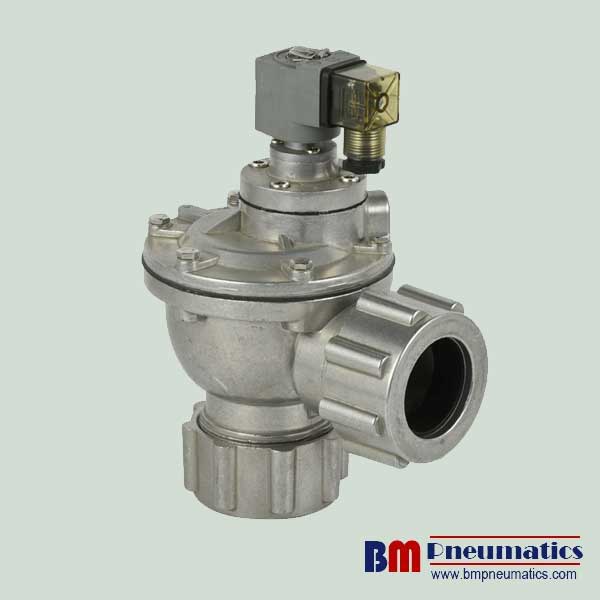
This guide explains how a Goyen pulse valve diaphragm works, how to identify failure symptoms, how to select the correct replacement and when it makes more sense to use a complete diaphragm kit.
What Is a Goyen Pulse Valve Diaphragm?
The Goyen pulse valve diaphragm is a flexible sealing component inside a diaphragm pulse valve. Its movement controls the main compressed-air passage used to clean filter media in a dust collector.
During a pulse-cleaning cycle, the pilot system changes the pressure balance around the diaphragm. This causes the diaphragm to move rapidly and allows a short, high-flow burst of compressed air to pass through the valve.
Once the pulse ends, the diaphragm must return to its sealing position. The speed and consistency of this movement are important because the effectiveness of a reverse pulse cleaning system depends not only on the amount of compressed air available, but also on how efficiently the valve releases it.
Goyen pulse jet valves are used in reverse pulse cleaning systems for bag filters, cartridge filters and other industrial filtration equipment.
Why Is the Diaphragm So Important?
A pulse valve may contain several components, including a valve body, diaphragm, spring and pilot or solenoid components, but the diaphragm is exposed to repeated mechanical movement throughout the operating life of the valve.
A dust collector running continuously can generate a very large number of pulse cycles. Each cycle places mechanical stress on the diaphragm and requires it to maintain reliable flexibility and sealing performance.
If the diaphragm response becomes slow or incomplete, the valve may not deliver the required cleaning pulse. In other cases, a damaged diaphragm may allow compressed air to leak continuously, increasing air consumption without improving filter cleaning.
This is why diaphragm condition should be treated as part of routine pulse valve maintenance rather than something that is checked only after a complete failure.
Common Signs of a Failed Goyen Pulse Valve Diaphragm
A damaged diaphragm can produce several different symptoms, and some of them may initially appear to be problems with the compressed-air system or solenoid pilot.
Common signs include:
- Continuous air leakage through the pulse valve
- Weak or incomplete pulse cleaning
- Abnormal valve noise
- Increased compressed-air consumption
- Filters becoming increasingly difficult to clean
- Higher differential pressure across the filter
- A valve that remains partially open
- A valve that fails to close after a pulse
- Repeated cleaning-system alarms
The important point is that these symptoms should not automatically be attributed to the diaphragm. Pilot valves, solenoids, air pressure, controller settings and blocked air passages can create similar symptoms.
A proper diagnosis should therefore examine the valve and the surrounding compressed-air system together.
How to Identify the Correct Goyen Replacement Diaphragm
One of the most common mistakes when ordering replacement diaphragms is using only the valve diameter as the identification method.

Goyen has multiple valve families and configurations, and the appropriate diaphragm depends on the valve model and design. The manufacturer’s documentation lists different maintenance kits for T, DD, FS and MM valve families, with different kit references and configurations.
Before ordering a Goyen replacement diaphragm, collect the following information.
Valve Series
Determine whether the installed valve belongs to the T, DD, FS, MM or another Goyen series.
The T Series, for example, uses threaded ports, while the FS Series is a flanged valve design. The DD Series uses dresser-nut connections. These differences affect the internal diaphragm configuration and the appropriate maintenance kit.
Valve Size
Valve size is another key identification parameter. A replacement diaphragm designed for one size should not be assumed to fit another size simply because the external valve appearance is similar.
Number of Diaphragms
Some Goyen pulse valves use a single diaphragm, while larger configurations can use main and secondary diaphragms.
For example, Goyen’s T Series documentation lists one diaphragm for some smaller configurations and two diaphragms for several larger valve sizes.
Diaphragm Material
Material selection should take into account temperature, chemical exposure and the operating environment.
Common material options include nitrile and Viton, while certain Goyen valve configurations also have low-temperature diaphragm options.
Original Part Number
If the existing diaphragm or maintenance kit has a part number, use it when requesting a replacement. This is generally more reliable than identifying a diaphragm by visual appearance alone.
Goyen Pulse Valve Diaphragm Materials
The diaphragm material affects service life, sealing performance and suitability for different operating environments.
Nitrile Diaphragm
Nitrile is widely used for general industrial applications where the temperature and chemical conditions are within its operating range.
For many conventional dust collection systems, nitrile can provide a practical balance between durability and cost. However, the actual valve manufacturer’s specifications should be checked before selecting the material.
Viton Diaphragm
Viton is used where the operating environment requires a different level of temperature or chemical resistance.
Goyen technical documentation lists Viton options for several valve series, including the T and FS series. The specified temperature range is different from that of nitrile, so material selection should be based on the actual process conditions rather than simply choosing the more expensive option.
Low-Temperature Diaphragm
Dust collectors installed outdoors or in cold industrial environments may require a diaphragm designed for lower temperatures.
For example, Goyen’s T Series documentation identifies low-temperature maintenance-kit options for several valve sizes.
If the valve operates in a cold environment, confirm the actual minimum operating temperature before purchasing a replacement diaphragm.
Goyen Pulse Valve Diaphragm Kit vs Individual Diaphragm
A replacement diaphragm is not always the only component that should be changed.
For preventive maintenance, a complete Goyen diaphragm kit can be more practical because the kit may include the main diaphragm, secondary diaphragm and springs required by the specific valve configuration.
For example, Goyen’s published T Series maintenance information states that diaphragm kits include main and secondary diaphragms where required, together with the relevant springs. The FS Series documentation similarly identifies kits containing the main and secondary diaphragms and springs.
A complete kit is particularly useful when the valve has been operating for a long period and several internal components have accumulated wear.
If only the diaphragm has recently failed and the remaining components are known to be in good condition, an individual replacement diaphragm may be sufficient, depending on the valve design and available parts.
When Should a Goyen Diaphragm Be Replaced?
There is no single replacement interval that applies to every Goyen pulse valve.
Service life depends on several factors, including:
- Pulse frequency
- Compressed-air quality
- Operating temperature
- Moisture and contamination
- Chemical exposure
- Valve size and configuration
- Dust collector operating conditions
- Overall system duty cycle
Goyen Mecair recommends incorporating valve and diaphragm inspection into a planned maintenance program and states that valve components should be inspected at least annually, with the actual maintenance frequency adjusted according to operating conditions.
For high-duty applications, more frequent inspection may be appropriate.
How to Replace a Goyen Pulse Valve Diaphragm
The exact procedure depends on the valve series, so the relevant product documentation should always be followed. The following provides a general maintenance sequence.
1. Isolate the System
Before opening the valve, shut off the compressed-air supply and isolate the electrical or pilot control system.
The pressure inside the air header must be fully released before maintenance begins. Goyen documentation specifically emphasizes that the system must be isolated from pressure and power before maintenance.
2. Remove the Valve Cover
Remove the valve cover and expose the diaphragm assembly. Keep the removed hardware organized so that it can be reinstalled correctly.
3. Inspect the Existing Components
Check the diaphragm for cracks, deformation, hardening, tearing or abnormal wear. At the same time, inspect the spring, sealing surfaces and pilot components.
If the valve body or internal seat is damaged, replacing only the diaphragm may not resolve the problem.
4. Clean the Sealing Area
Remove dirt, rust particles and other contamination from the relevant sealing surfaces. Clean compressed-air passages are important because contamination can interfere with diaphragm movement and sealing.
5. Install the Replacement Diaphragm
Install the new diaphragm in the correct orientation and position. If the valve uses more than one diaphragm, make sure the main and secondary components are installed correctly.
Avoid forcing or folding the diaphragm during installation because mechanical damage at this stage can result in premature failure.
6. Reassemble the Valve
Reinstall the spring and cover components according to the valve design. Tighten fasteners appropriately and avoid excessive tightening that could distort the assembly.
7. Test the Valve
Restore compressed-air pressure gradually and inspect the valve for leakage. Then activate the pulse and listen for a clean, rapid valve response.
Goyen installation documentation recommends testing the valve after the system has been pressurized and checking for proper actuation and the characteristic pulse sound.
Why Does a New Goyen Diaphragm Fail Quickly?
A replacement diaphragm that fails shortly after installation usually indicates that the underlying problem has not been addressed.
Poor Compressed-Air Quality
Water, oil or solid particles in compressed air can interfere with the valve and accelerate wear. Goyen installation guidance specifically recommends clean and dry supply air.
Incorrect Diaphragm
A diaphragm that is dimensionally similar but designed for another valve model may not provide the correct response or sealing characteristics.
Excessive Pulse Frequency
Very frequent pulsing increases the number of diaphragm cycles and can shorten component life.
Incorrect Material
A standard diaphragm may not be suitable for a high-temperature or chemically demanding environment.
Damaged Valve Seat
If the sealing surface is damaged, installing a new diaphragm may provide only a temporary improvement because the new component cannot seal correctly against the damaged surface.
Goyen Diaphragm and Compressed-Air Consumption
Pulse valve condition has a direct relationship with compressed-air efficiency.
A properly operating valve should open rapidly, deliver the required cleaning pulse and close correctly. If the diaphragm does not respond properly, the valve may consume compressed air inefficiently.
This matters because compressed air is one of the more energy-intensive utilities in many industrial plants. Maintaining efficient pulse valve operation can therefore contribute to lower operating costs as well as more stable filter cleaning.
Goyen Mecair identifies valve response, airflow and cleaning energy as important factors in maintaining effective reverse pulse cleaning and compressed-air efficiency.
Should You Replace the Diaphragm or the Complete Pulse Valve?
The answer depends on the condition of the complete valve.
Replacing the diaphragm is usually worth considering when the valve body is structurally sound, the sealing surfaces are serviceable and the pilot system remains functional.
A complete pulse valve replacement may be more appropriate when the valve body is damaged, corrosion is extensive, the pilot components have failed or replacement parts are difficult to obtain.
For large dust collectors, this decision should also consider maintenance labor and downtime. A low-cost diaphragm replacement is not necessarily the best solution if it requires repeated service work because other components are already approaching the end of their service life.
Goyen Pulse Valve Diaphragm Applications
Goyen pulse valves are used in a wide range of industrial dust collection systems. Applications include cement production, mining, bulk-material handling, power generation and general industrial filtration.
The filter type can also vary. Reverse pulse systems may use bag filters, cartridge filters, envelope filters, ceramic filters or sintered metal fiber filters, depending on the application.
Although the application changes, the maintenance principle remains similar: the pulse valve must deliver a rapid and repeatable burst of compressed air while maintaining reliable sealing between cleaning cycles.
How to Order the Correct Goyen Replacement Diaphragm
When contacting a supplier, providing complete valve information can significantly reduce the risk of receiving an incompatible part.
Ideally, provide:
- Valve brand
- Valve series
- Valve model
- Valve size
- Existing diaphragm or kit part number
- Diaphragm material
- Number of diaphragms
- Operating temperature
- Dust collector application
- Quantity required
- Photos of the valve and nameplate
For example, simply requesting a “Goyen 1.5-inch diaphragm” may not provide enough information. A request that includes the valve series, model and existing kit number gives the supplier a much better basis for compatibility confirmation.
FAQ About Goyen Pulse Valve Diaphragms
How long does a Goyen pulse valve diaphragm last?
There is no universal service life. Pulse frequency, air quality, temperature, contamination and operating conditions all influence diaphragm life. Planned inspection is therefore more reliable than using a fixed replacement interval.
Can I replace a Goyen diaphragm without replacing the whole valve?
Yes, where the valve body and other components remain serviceable, replacing the diaphragm or diaphragm kit can restore the valve. The complete valve should be inspected before deciding on a diaphragm-only repair.
What is the difference between a Goyen diaphragm and a Goyen diaphragm kit?
An individual diaphragm is a single replacement component. A diaphragm kit may contain the main and secondary diaphragms, springs and other components required for a particular valve configuration.
Should I choose nitrile or Viton?
The correct material depends on the actual operating environment, particularly temperature and chemical exposure. Do not select a material based only on price or appearance.
Why is my Goyen pulse valve leaking?
Possible causes include a damaged diaphragm, contamination on the sealing surface, incorrect diaphragm installation, pilot problems or damage to other valve components. A complete valve inspection is recommended.
How do I identify a Goyen replacement diaphragm?
Start with the valve series and model, then confirm size, diaphragm configuration and material. Existing part numbers and clear valve photos can also help with identification.
How often should Goyen pulse valve diaphragms be inspected?
Goyen Mecair recommends at least annual inspection as part of a planned maintenance program, with frequency adjusted according to application and operating conditions.
Conclusion
The Goyen pulse valve diaphragm is a relatively small component, but its condition has a significant effect on the performance of a reverse pulse jet dust collector. A worn or damaged diaphragm can cause air leakage, weak cleaning pulses, higher compressed-air consumption and declining filter performance.
The correct replacement should always be selected according to the valve series, model, size, diaphragm configuration and operating environment. When several internal components have accumulated wear, a complete Goyen diaphragm kit may be a more practical maintenance solution than replacing one component at a time.
For industrial maintenance teams, regular inspection combined with clean compressed air and correct replacement parts provides a more reliable approach than waiting for pulse valve failure.