
Introduction
When selecting pneumatic components for an industrial system, many engineers and purchasing professionals encounter two similar terms: pulse valve and solenoid valve. Because many pulse valves are equipped with a solenoid pilot, these products are often confused with one another.
In reality, they are not the same.
A pulse valve is a specialized diaphragm valve designed to release a short burst of compressed air for cleaning filters in pulse jet dust collection systems. A solenoid valve, on the other hand, is a general-purpose electrically controlled valve used to start, stop, or direct the flow of liquids, gases, or compressed air in countless industrial applications.
Understanding the differences between these two valves is essential for selecting the correct component, improving system performance, and avoiding costly installation mistakes.
What Is a Pulse Valve?
A pulse valve is a fast-acting diaphragm valve specifically designed for pulse jet dust collectors.
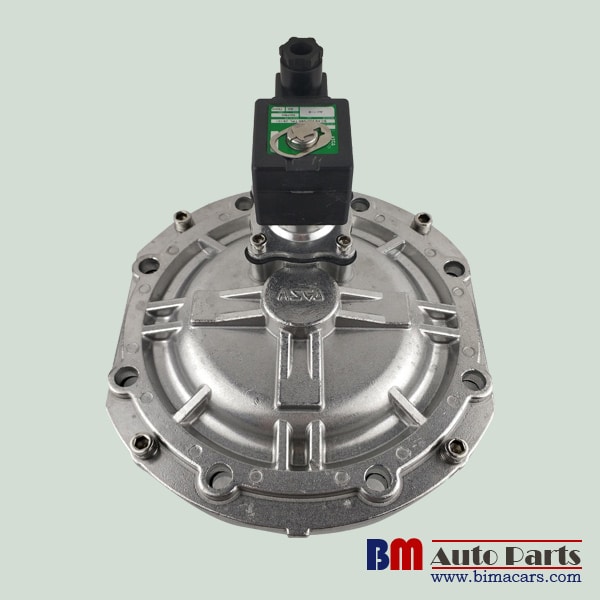
Its main function is to release a powerful burst of compressed air in a very short period—typically between 50 and 200 milliseconds. This air pulse removes dust from filter bags or filter cartridges without interrupting the filtration process.
Unlike general-purpose valves, pulse valves are optimized for:
- High instantaneous airflow
- Rapid opening and closing
- Repetitive operation
- Efficient filter cleaning
- Low compressed air consumption
Most pulse valves are installed on baghouse dust collectors, cartridge filters, and industrial dust extraction systems.
What Is a Solenoid Valve?
A solenoid valve is an electrically operated valve that uses an electromagnetic coil to control the movement of a plunger or spool.
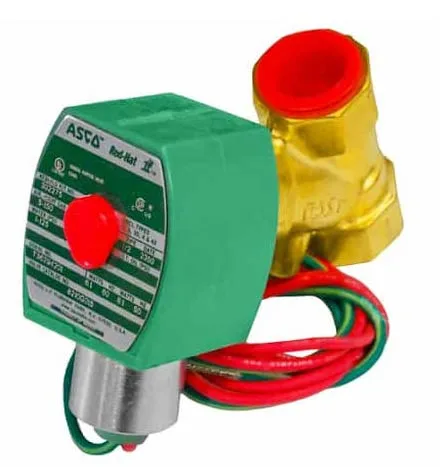
When electrical power is applied, the magnetic field moves the internal mechanism, allowing or blocking the flow of a fluid.
Unlike pulse valves, solenoid valves are used in a wide variety of industries and systems, including:
- Pneumatic automation
- Hydraulic equipment
- Water treatment
- HVAC systems
- Food processing
- Chemical plants
- Medical equipment
- Irrigation systems
They are designed for continuous flow control rather than generating a high-energy cleaning pulse.
Key Differences Between Pulse Valves and Solenoid Valves
| Feature | Pulse Valve | Solenoid Valve |
| Primary Function | Clean filters with compressed air pulses | Control fluid or gas flow |
| Typical Medium | Compressed air | Air, water, steam, oil, gases and other compatible media |
| Opening Time | Extremely fast (milliseconds) | Fast, but designed for flow control rather than pulse generation |
| Internal Structure | Diaphragm valve with pilot control | Plunger or spool valve |
| Main Application | Pulse jet dust collection systems | General industrial automation |
| Airflow Requirement | Very high instantaneous flow | Determined by the valve design and application |
| Duty Cycle | Repeated short pulses | Intermittent or continuous operation |
How They Work
Pulse Valve
A pulse valve stores compressed air until the pulse controller sends an electrical signal to the pilot solenoid.
The pilot releases pressure from the control chamber, allowing the diaphragm to open rapidly.
A high-energy burst of compressed air flows into the blow tube, cleaning the filters before the valve closes again.
The complete cycle takes only a fraction of a second.
Related: How Does a Pulse Valve Work?
Solenoid Valve
A solenoid valve operates by energizing an electromagnetic coil.
The magnetic force moves a plunger or spool, opening or closing the flow path.
The valve remains open or closed depending on its design (normally closed or normally open) and the electrical control signal.
Unlike pulse valves, solenoid valves are generally intended to regulate or isolate flow rather than create a pressure pulse.
Structure Comparison
Although both products may include a solenoid coil, their internal construction is quite different.
Pulse Valve Components
- Valve body
- Diaphragm
- Pilot solenoid valve
- Return spring
- Air chambers
- Seals and O-rings
Solenoid Valve Components
- Valve body
- Solenoid coil
- Plunger or spool
- Spring
- Seals
- Inlet and outlet ports
The diaphragm is the defining component of a pulse valve, while the plunger or spool is the defining component of a standard solenoid valve.
Applications
Common Pulse Valve Applications
- Baghouse dust collectors
- Cartridge dust collectors
- Cement plants
- Steel mills
- Mining operations
- Power plants
- Grain handling facilities
- Woodworking factories
Common Solenoid Valve Applications
- Pneumatic cylinders
- Water supply systems
- Air compressors
- Chemical processing
- Irrigation systems
- HVAC equipment
- Medical devices
- Food and beverage production
Advantages of a Pulse Valve
- High cleaning efficiency
- Fast response time
- Optimized for pulse jet systems
- Low compressed air consumption
- Long diaphragm service life
- Reliable repetitive operation
Advantages of a Solenoid Valve
- Versatile across many industries
- Available for a wide range of media
- Compact and easy to integrate
- Suitable for continuous flow control
- Wide range of pressure ratings and connection sizes
Can a Solenoid Valve Replace a Pulse Valve?
In most cases, no.
Although a pulse valve includes a pilot solenoid, a standard solenoid valve cannot typically replace a pulse valve in a dust collection system.
A standard solenoid valve is not designed to:
- Deliver the required instantaneous airflow
- Generate a strong cleaning pulse
- Operate efficiently in pulse jet cleaning applications
Using the wrong valve may result in poor filter cleaning, higher compressed air consumption, and reduced dust collector performance.
Which Valve Should You Choose?
The correct choice depends on the application.
Choose a pulse valve if you need:
- Pulse jet filter cleaning
- Dust collector maintenance
- High-flow compressed air discharge
- Reliable diaphragm-based pulse operation
Choose a solenoid valve if you need:
- General fluid control
- Air or water switching
- Process automation
- Continuous flow regulation
Understanding the operating requirements of your system is the key to selecting the appropriate valve.
Related: How to Choose the Right Pulse Valve?
Conclusion
Although pulse valves and solenoid valves both use electrical control, they are designed for different purposes. Pulse valves specialize in delivering high-energy compressed air pulses for dust collector cleaning, while solenoid valves provide general-purpose flow control for a wide variety of industrial systems.
Selecting the correct valve improves system performance, reduces maintenance, and helps ensure reliable operation. If your application involves pulse jet dust collection, a dedicated pulse valve is the appropriate solution.
FAQ
Is every pulse valve a solenoid valve?
No. A pulse valve is a diaphragm valve that is usually controlled by a pilot solenoid valve, but it is not the same as a standard solenoid valve.
Can I use a standard solenoid valve on a baghouse dust collector?
Generally no. Standard solenoid valves are not designed to deliver the high instantaneous airflow required for pulse jet cleaning.
Why does a pulse valve include a solenoid?
The pilot solenoid provides the electrical signal that triggers the diaphragm to open rapidly. It is one component of the pulse valve assembly, not the entire valve.